Introducing PEBA-LW: The Ultimate Lightweight & Flexible 3D Printing Filament | eSUN
The world of 3D printing is constantly evolving, and the demand for materials that offer both flexibility and extreme lightness has never been higher. Whether you are designing wearable devices, athletic gear, or drone accessories, weight and resilience are critical factors.
Enter the game-changer: eSUN PEBA-LW Filament
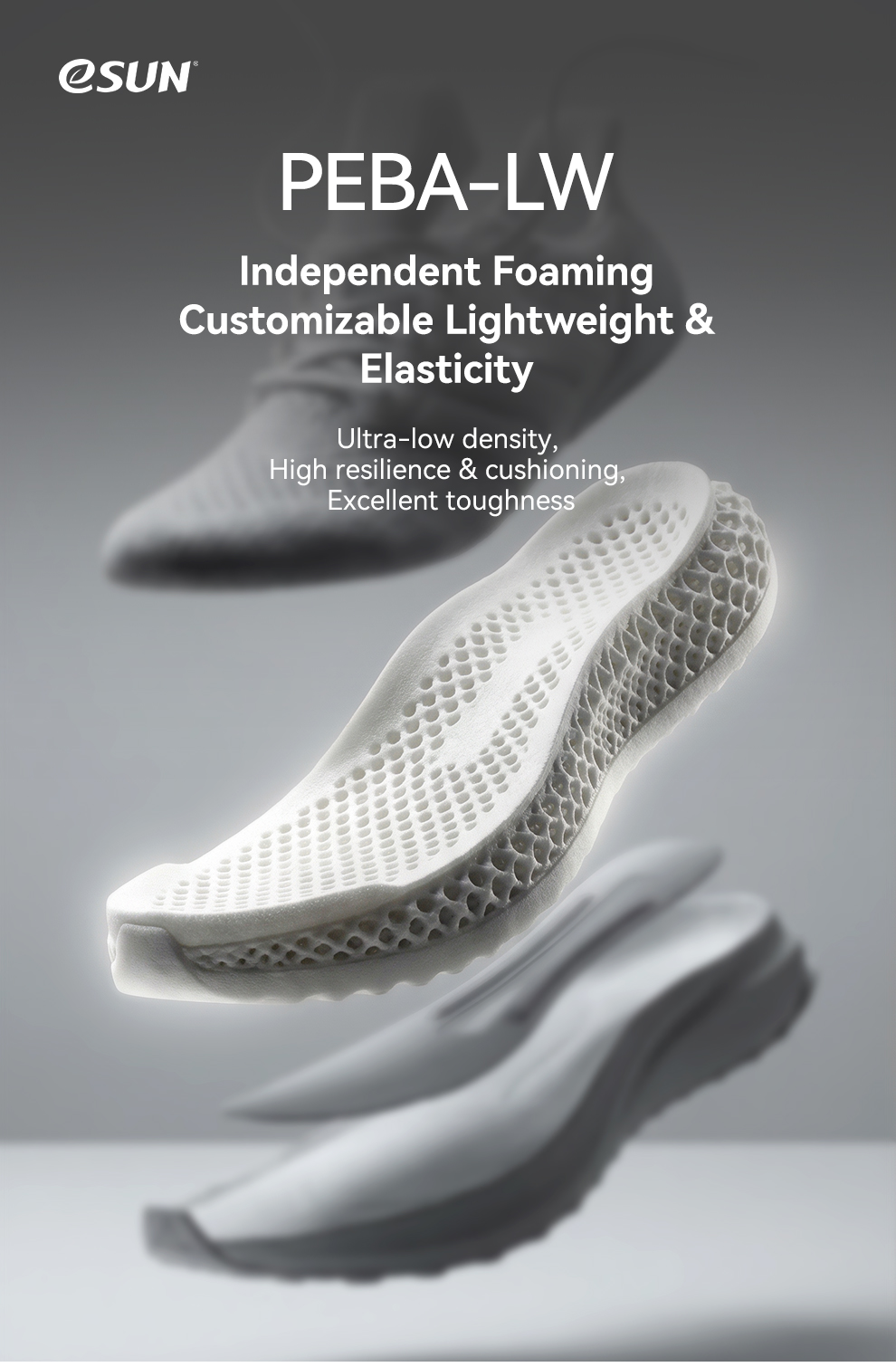
Designed with independent foaming technology, PEBA-LW is engineered to provide ultra-low density, high resilience, and excellent toughness. Let’s dive into what makes this innovative material a must-have for your next 3D printing project.
1. The Magic of In-situ Foaming Technology
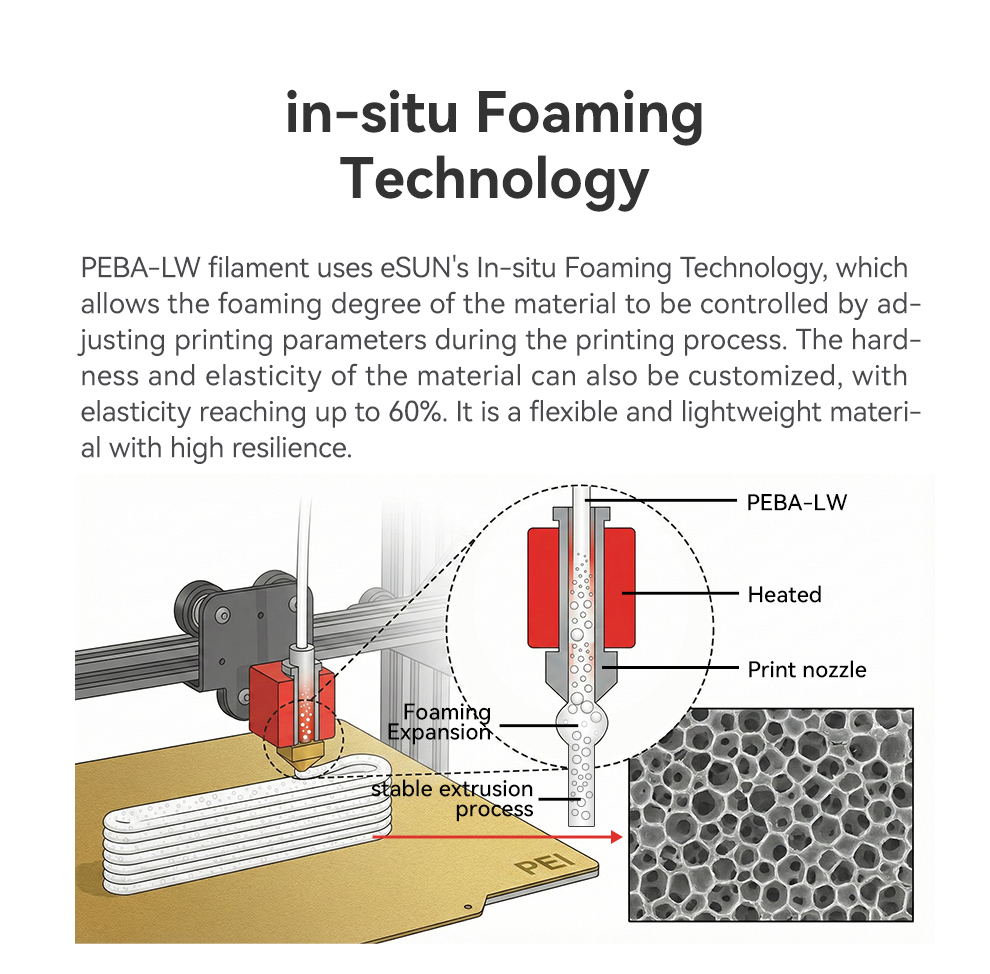
What sets PEBA-LW apart from standard flexible filaments? The secret lies in eSUN's In-situ Foaming Technology.
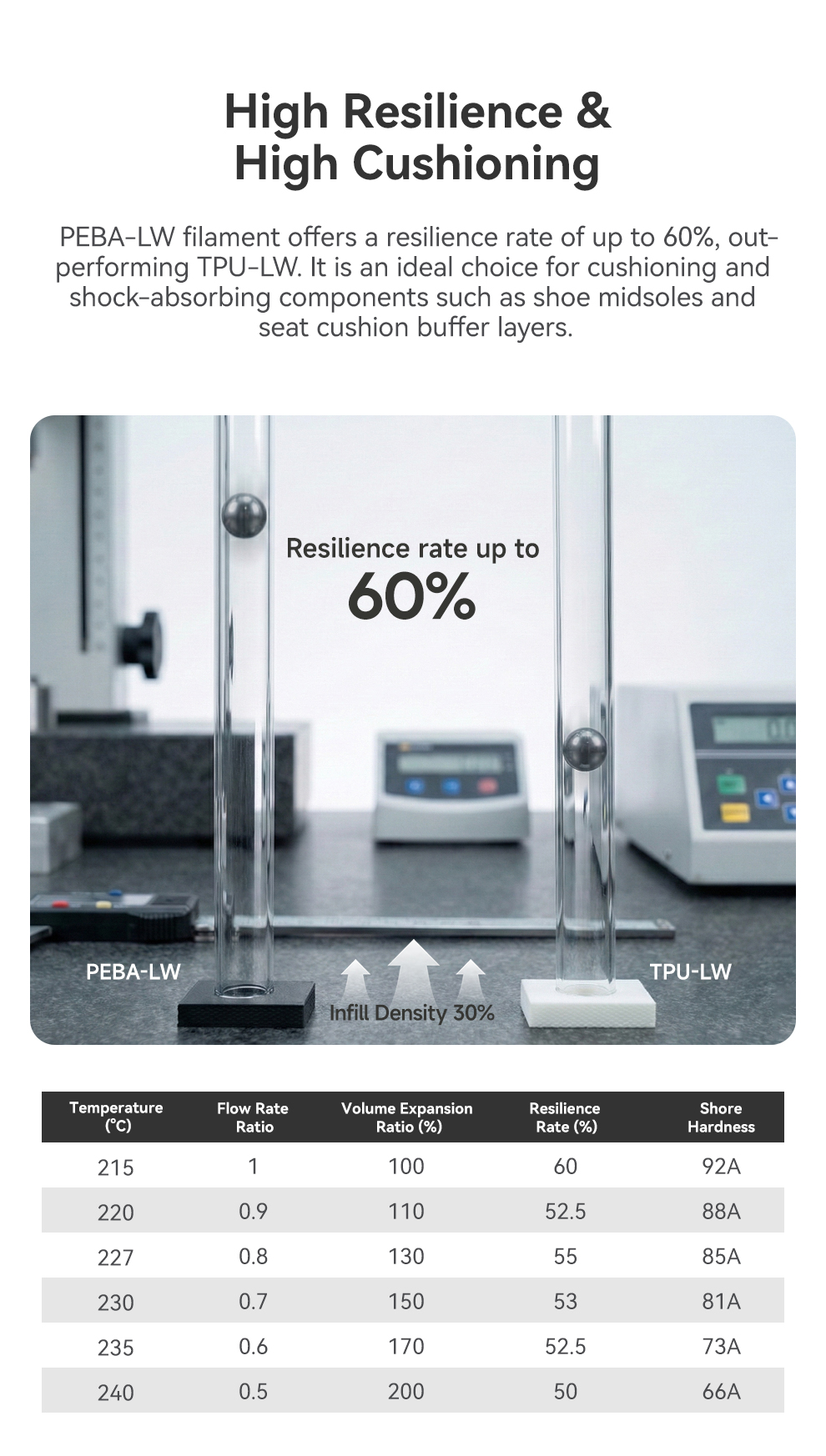
During the extrusion process, the filament foams and expands inside the print nozzle. The brilliance of this technology is that you control the foaming degree by adjusting your printing parameters. This allows you to customize the hardness and elasticity of your final part, achieving up to 60% elasticity!
2. Controllable Expansion & Adjustable Hardness (One Spool, Multiple Shore Hardness)
Imagine buying one spool of filament but being able to print parts with different flexibilities. With PEBA-LW, you can!
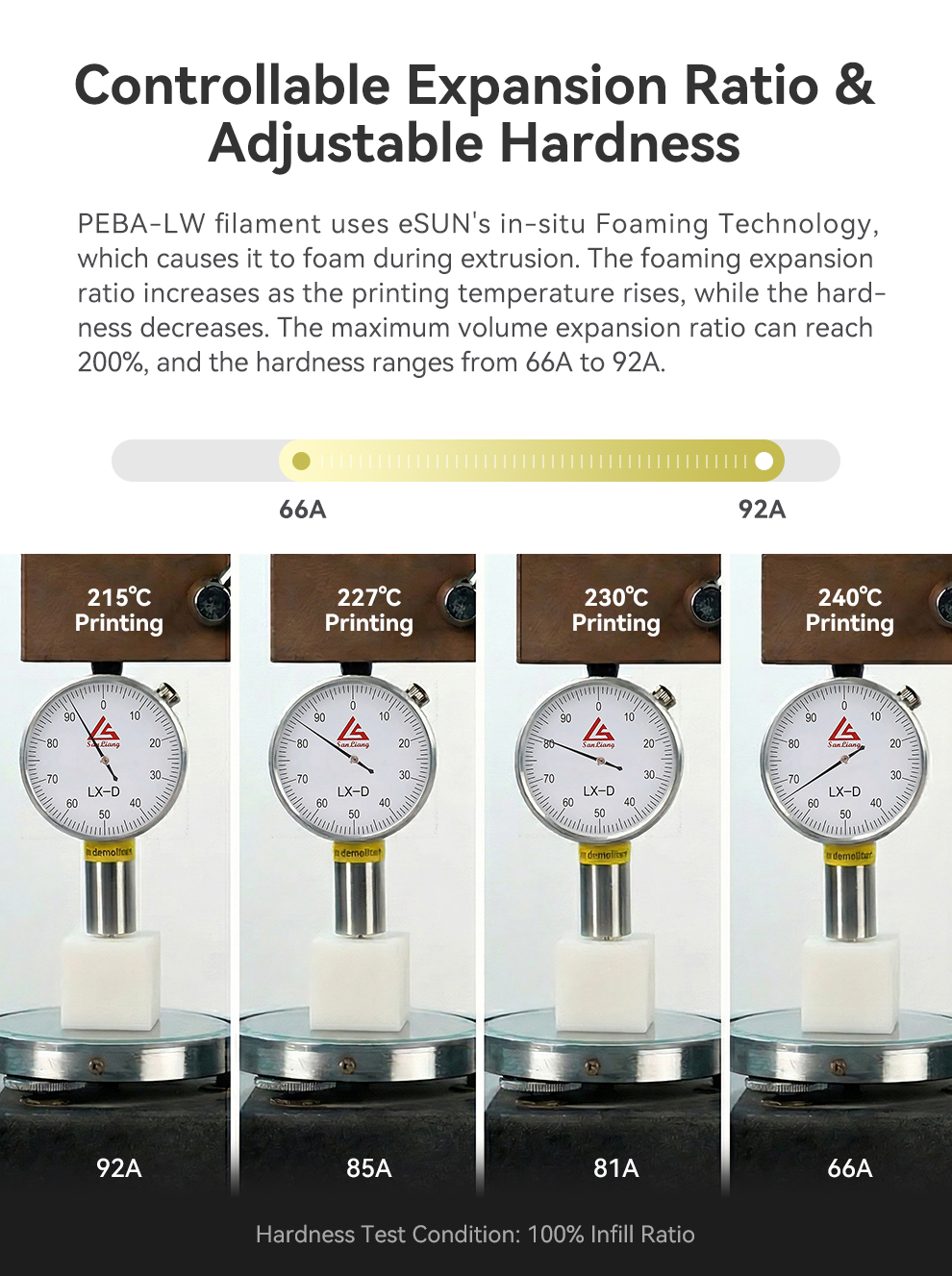
Because the foaming expansion ratio increases as the printing temperature rises, the hardness of the printed part decreases.
Maximum Volume Expansion: Up to 200%
Hardness Range: Adjustable from 66A to 92A
By simply tweaking your nozzle temperature from 215°C to 240°C, you can seamlessly transition from a firmer 92A print to an ultra-soft 66A print.
3. Unmatched Resilience & Cushioning (Outperforming TPU-LW)
When it comes to shock absorption, PEBA-LW is a powerhouse. It offers a resilience rate of up to 60%, officially outperforming traditional TPU-LW. This superior rebound makes it the absolute ideal choice for parts that require continuous impact absorption.
4. Bend Without Worries: Exceptional Flexibility
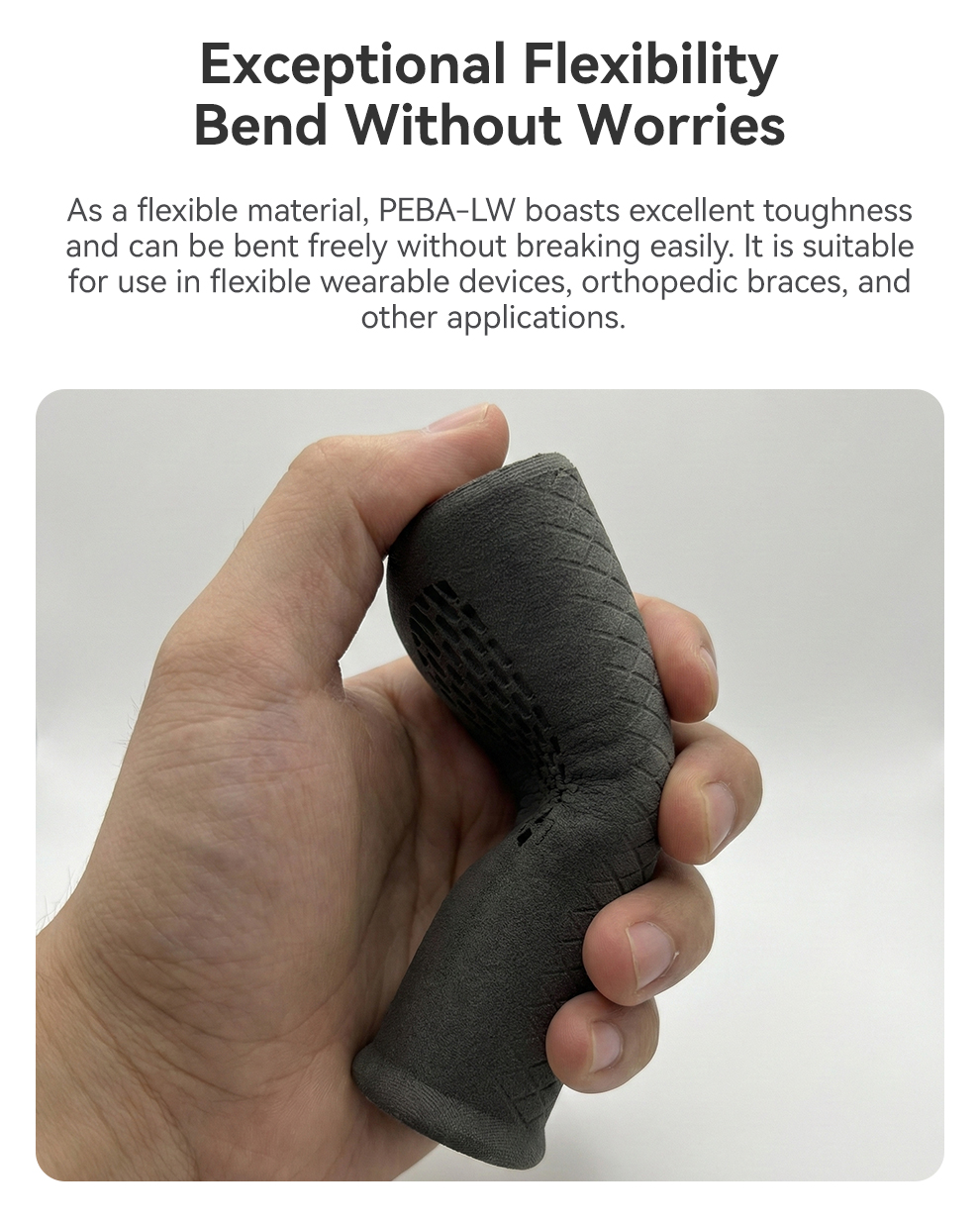
Toughness matters. PEBA-LW is highly durable and can be bent freely without breaking. This exceptional flexibility ensures that your prints can withstand daily wear and tear, making it perfect for dynamic applications.
5. Low Density for Outstanding Lightness
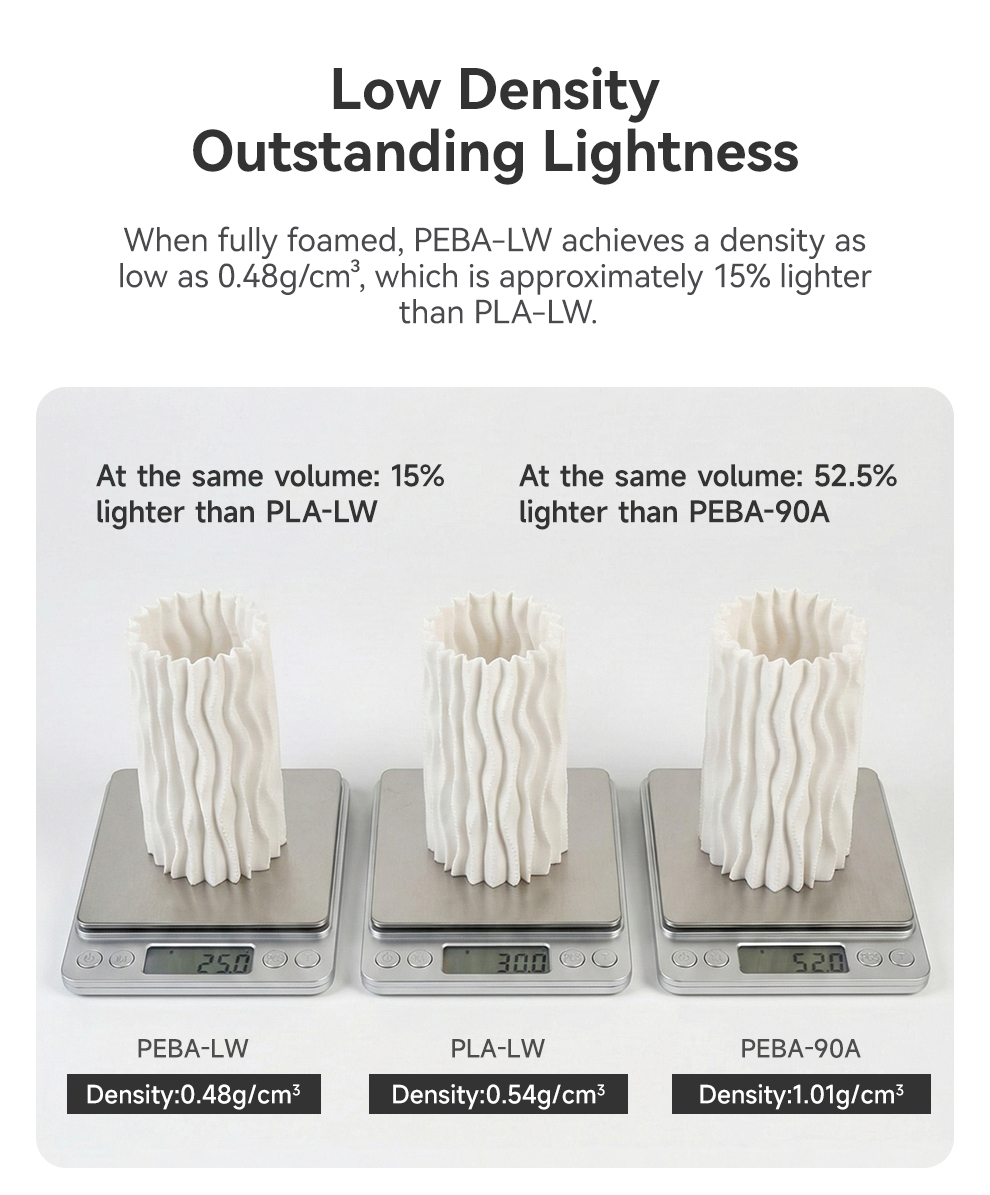
Weight reduction is often the holy grail in 3D printing. When fully foamed, PEBA-LW achieves an astonishingly low density of just 0.48g/cm³.
To put that into perspective, at the same volume, PEBA-LW is:
15% lighter than PLA-LW
52.5% lighter than PEBA-90A
6. Industry Applications: What Can You Print?
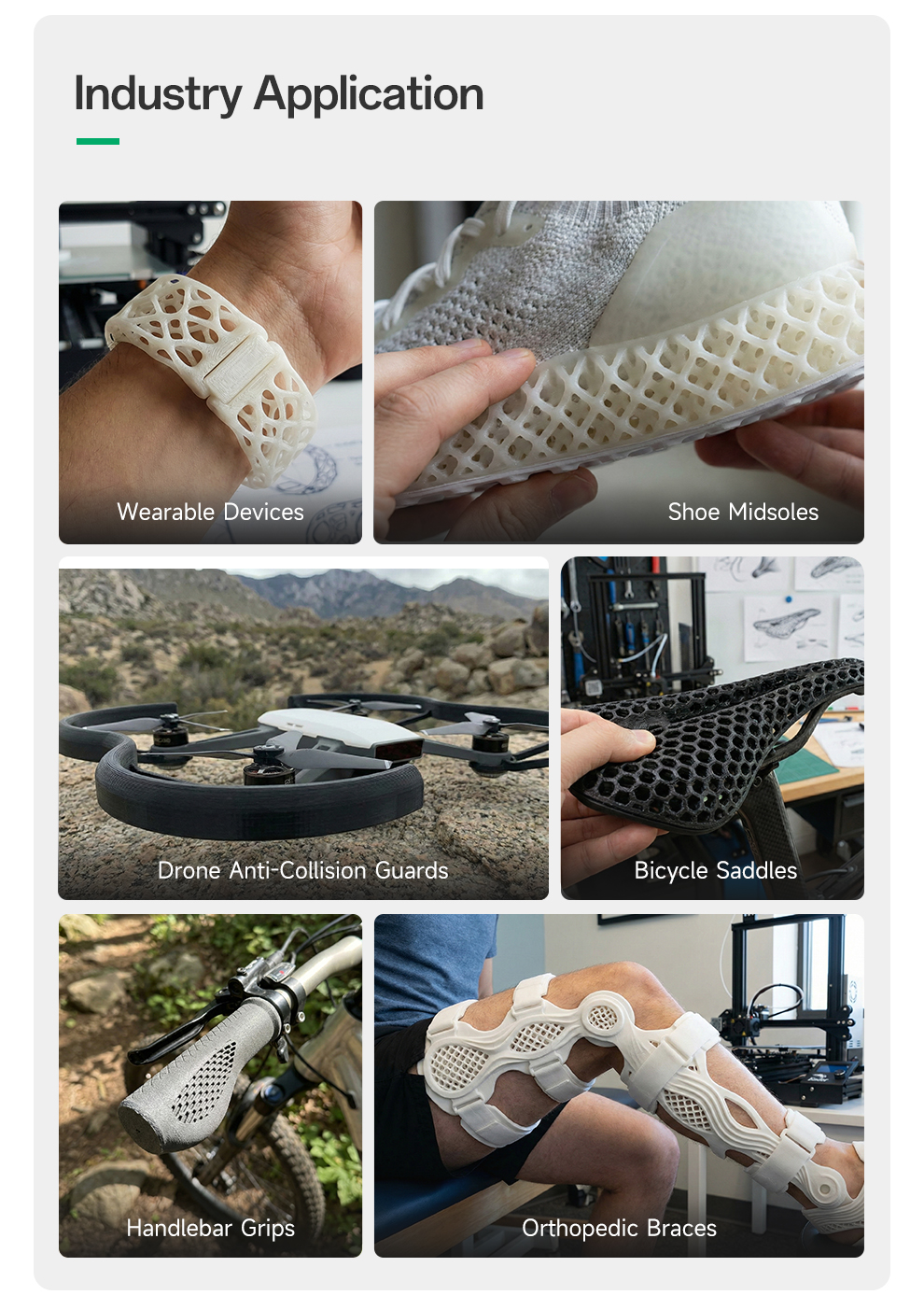
Because of its unique combination of light weight, custom hardness, and extreme shock absorption, PEBA-LW opens up exciting new possibilities across various industries:
Footwear: 3D Printed Shoe Midsoles and insoles.
Sports & Outdoors: Bicycle saddles, comfortable handlebar grips.
Aviation: Drone anti-collision guards (save weight to increase flight time!).
Healthcare: Custom orthopedic braces.
7. Available Colors & Unbeatable Compatibility
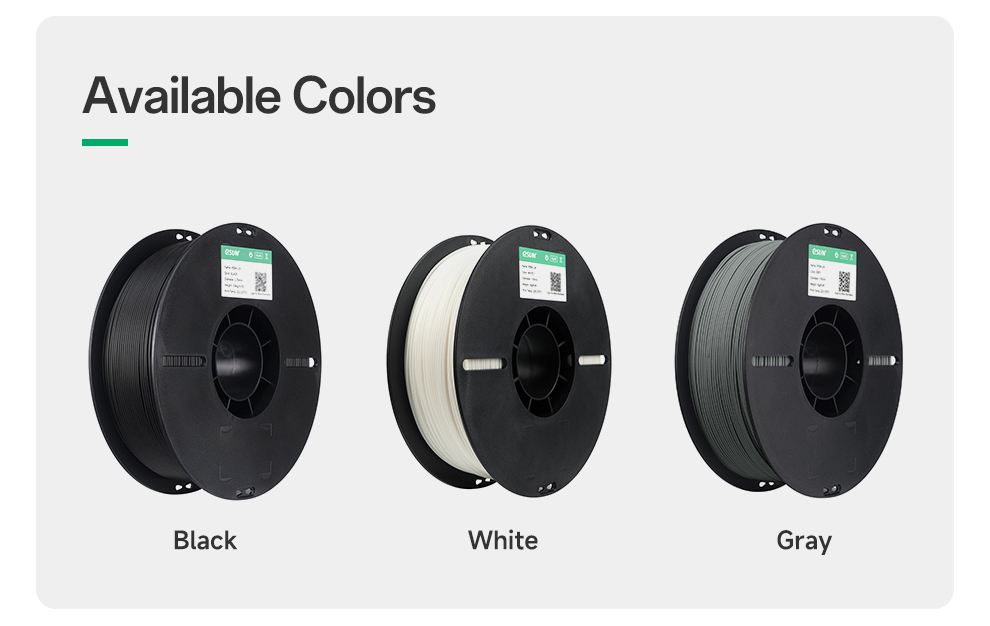
Currently available in sleek Black, White, and Gray, PEBA-LW fits perfectly into any professional or hobbyist aesthetic.
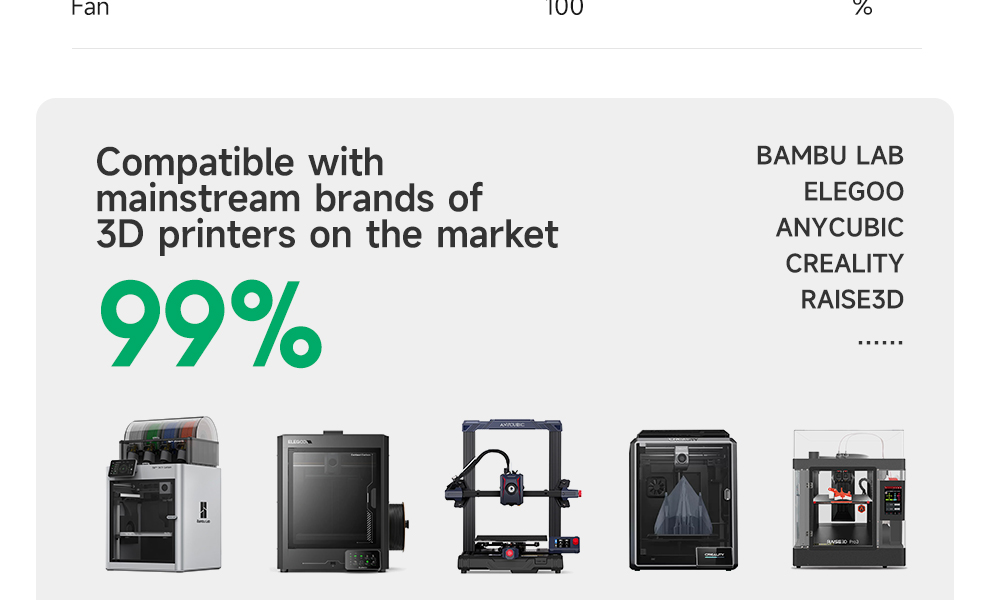
Worried about printer compatibility? Don't be! PEBA-LW is 99% compatible with mainstream 3D printer brands on the market, including Bambu Lab, ELEGOO, Anycubic, Creality, and Raise3D.
8. Recommended Printing Parameters
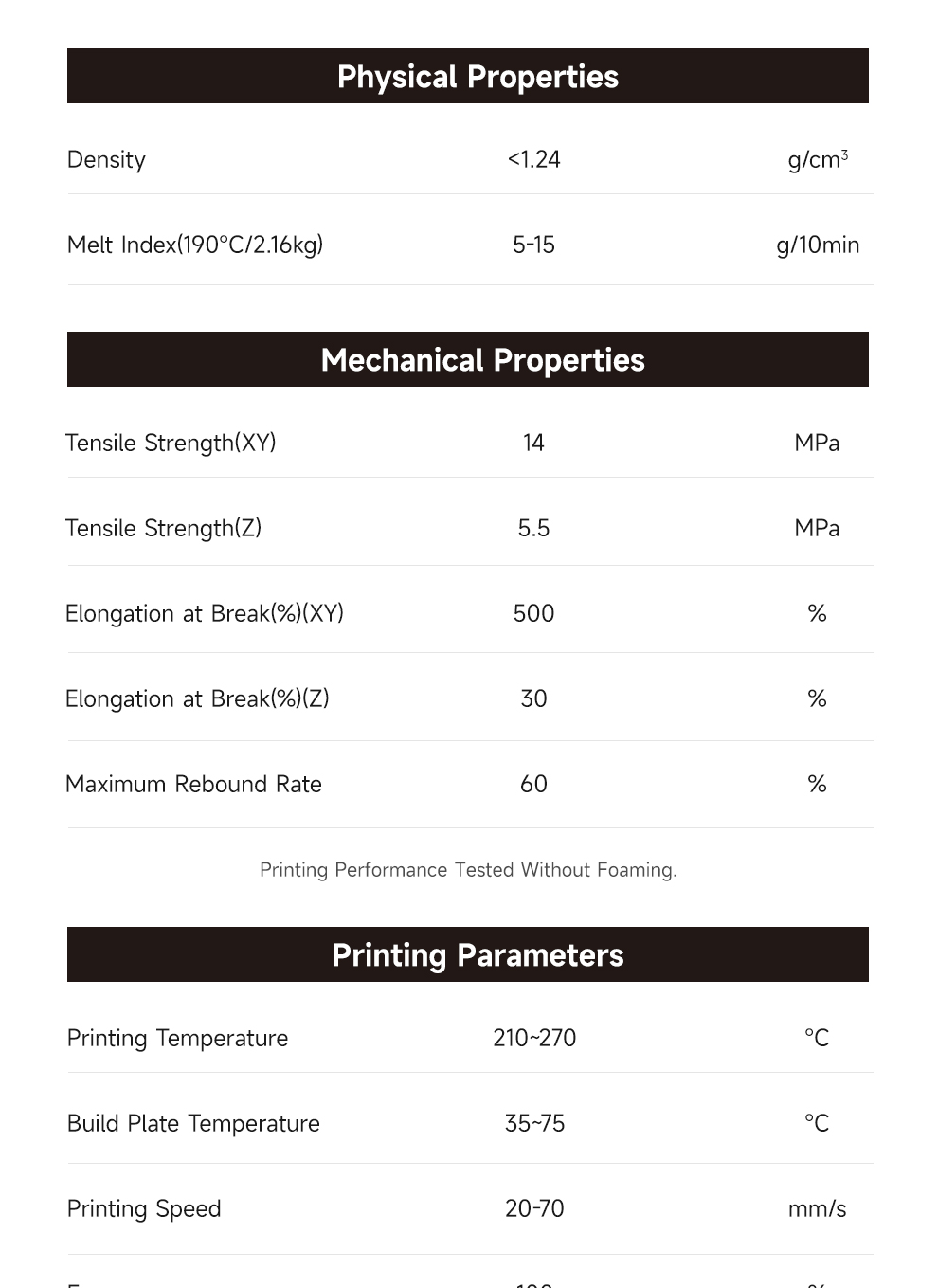
To help you get started immediately, here are the baseline physical properties and recommended printing settings for PEBA-LW:
Printing Temperature: 210°C - 270°C (Adjust to control foaming/hardness)
Build Plate Temperature: 35°C - 75°C
Printing Speed: 20 - 70 mm/s
Ready to Elevate Your Flexible Prints?
If you are tired of heavy, rigid parts or struggling with standard TPUs that just don't offer enough bounce, it’s time to upgrade your filament arsenal. Experience the future of lightweight, adjustable, and resilient 3D printing today.

 PLA+
PLA+ PLA-Basic
 PETG
PETG ABS+
ABS+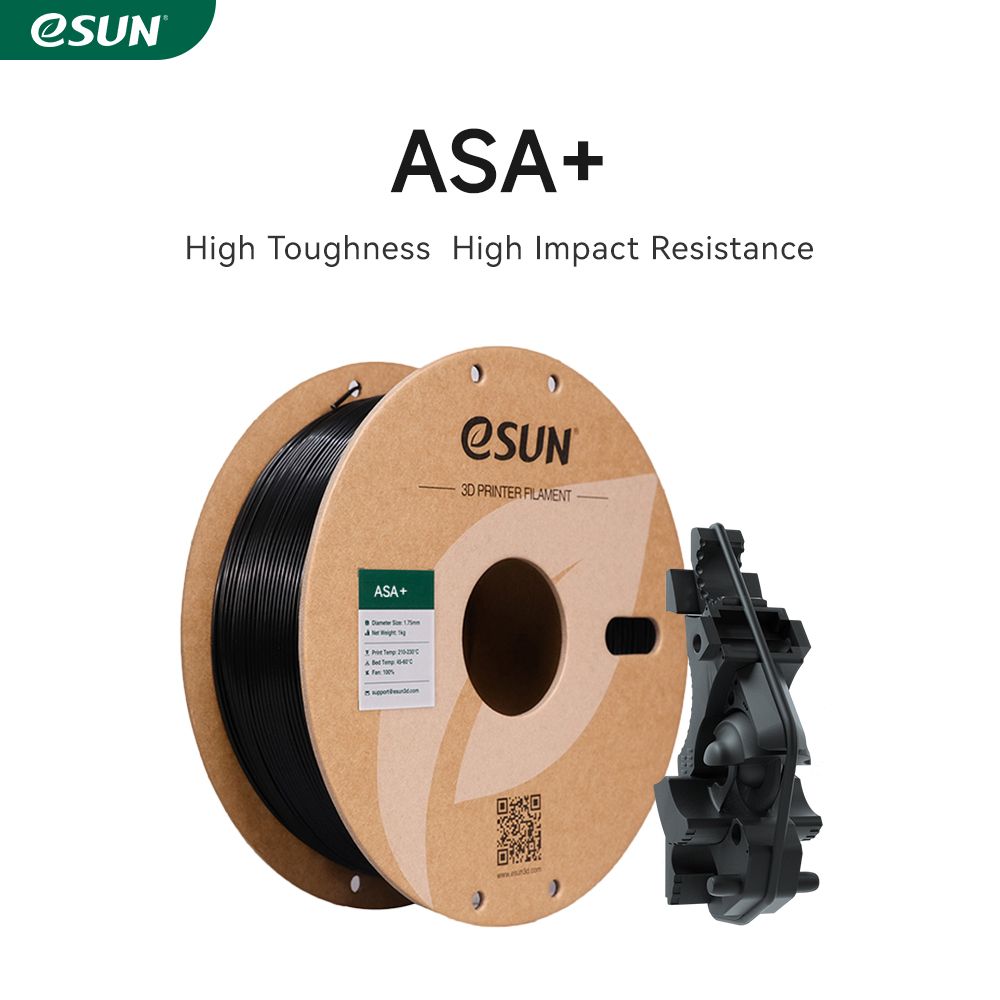 ASA+
ASA+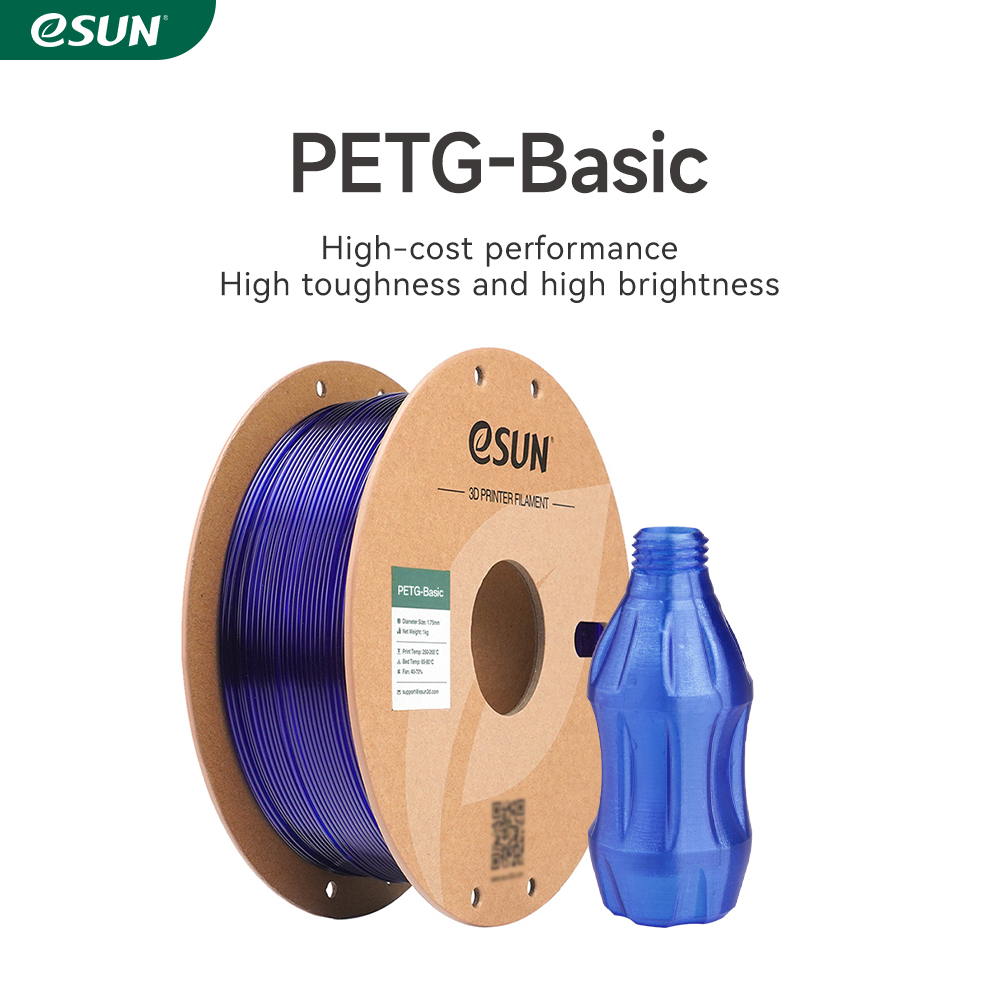 PETG-Basic
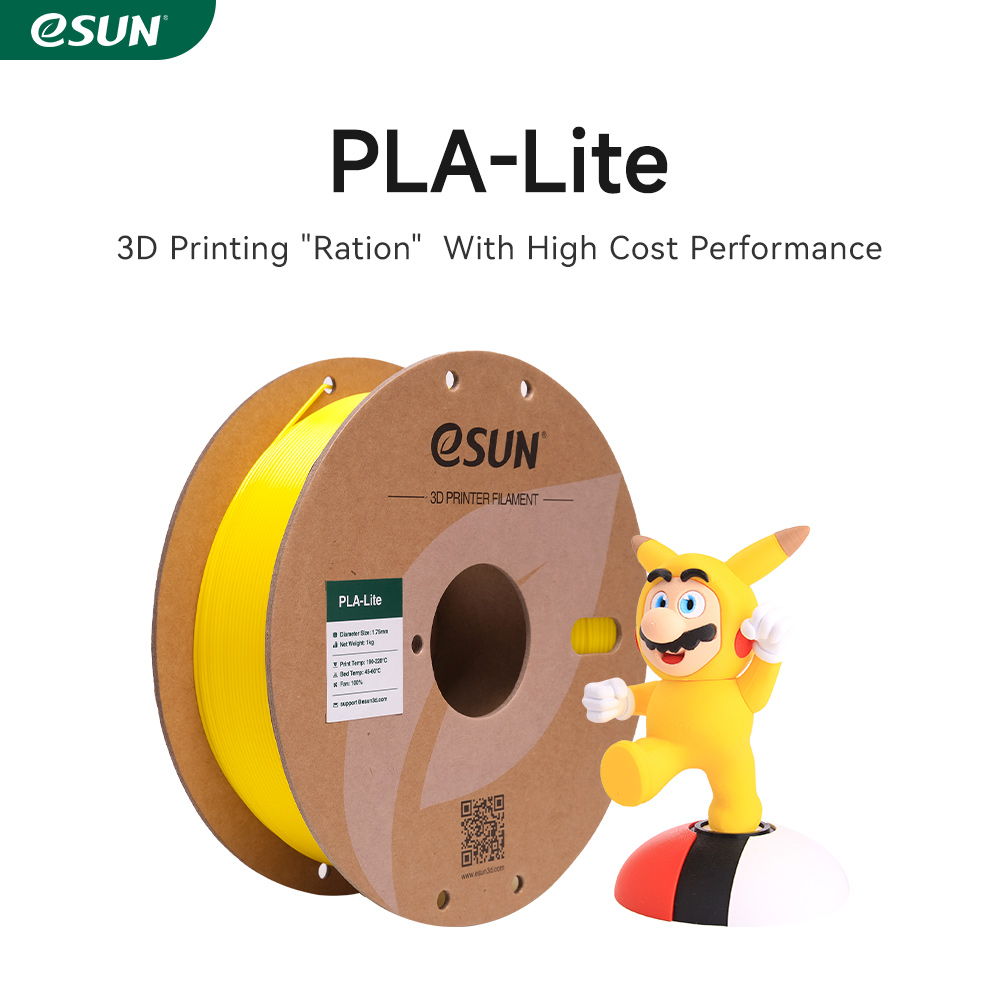 PLA-Lite
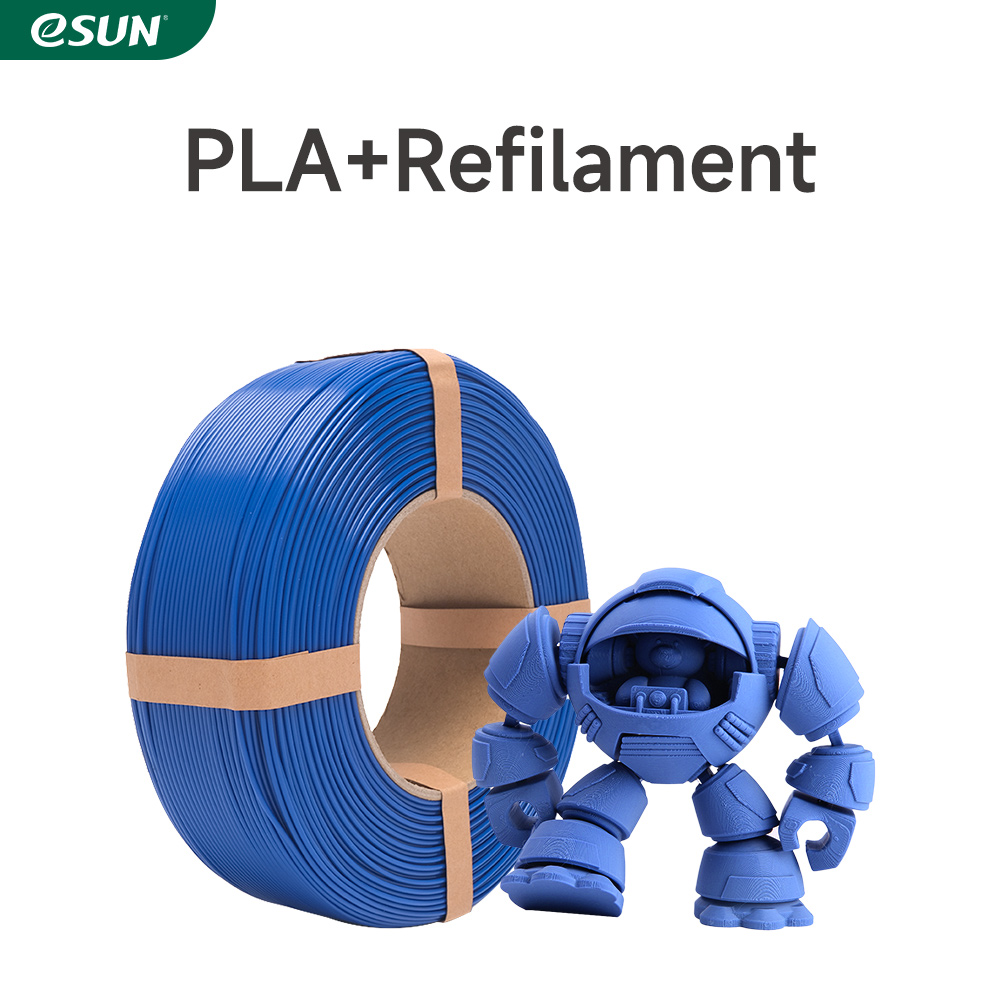 PLA+ Refilament
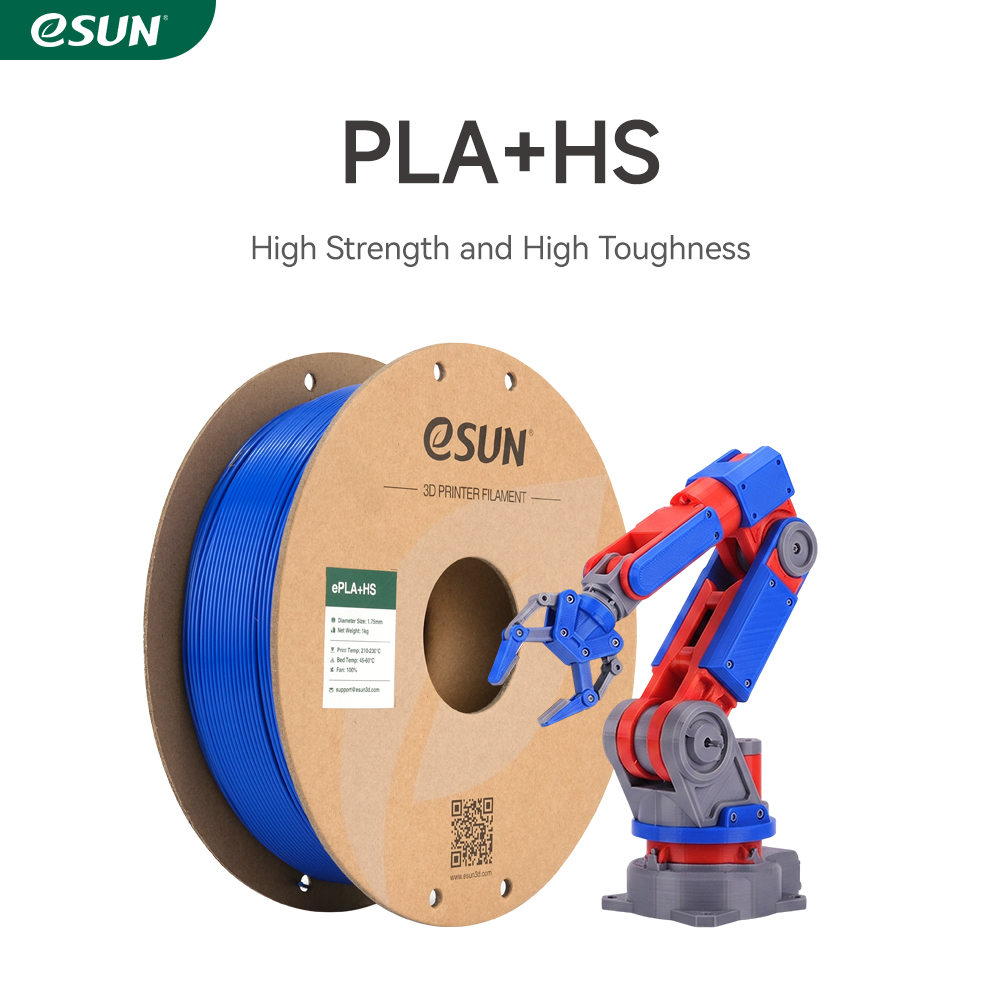 PLA+HS
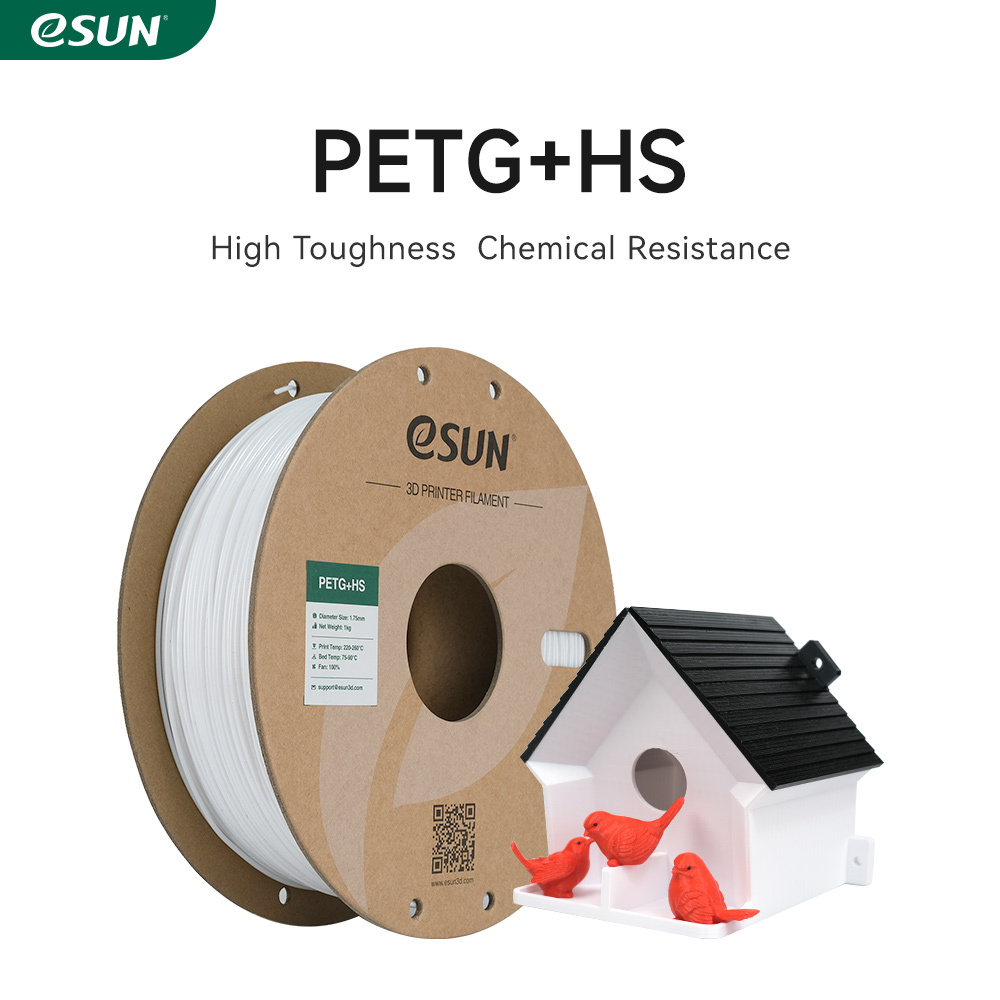 PETG+HS
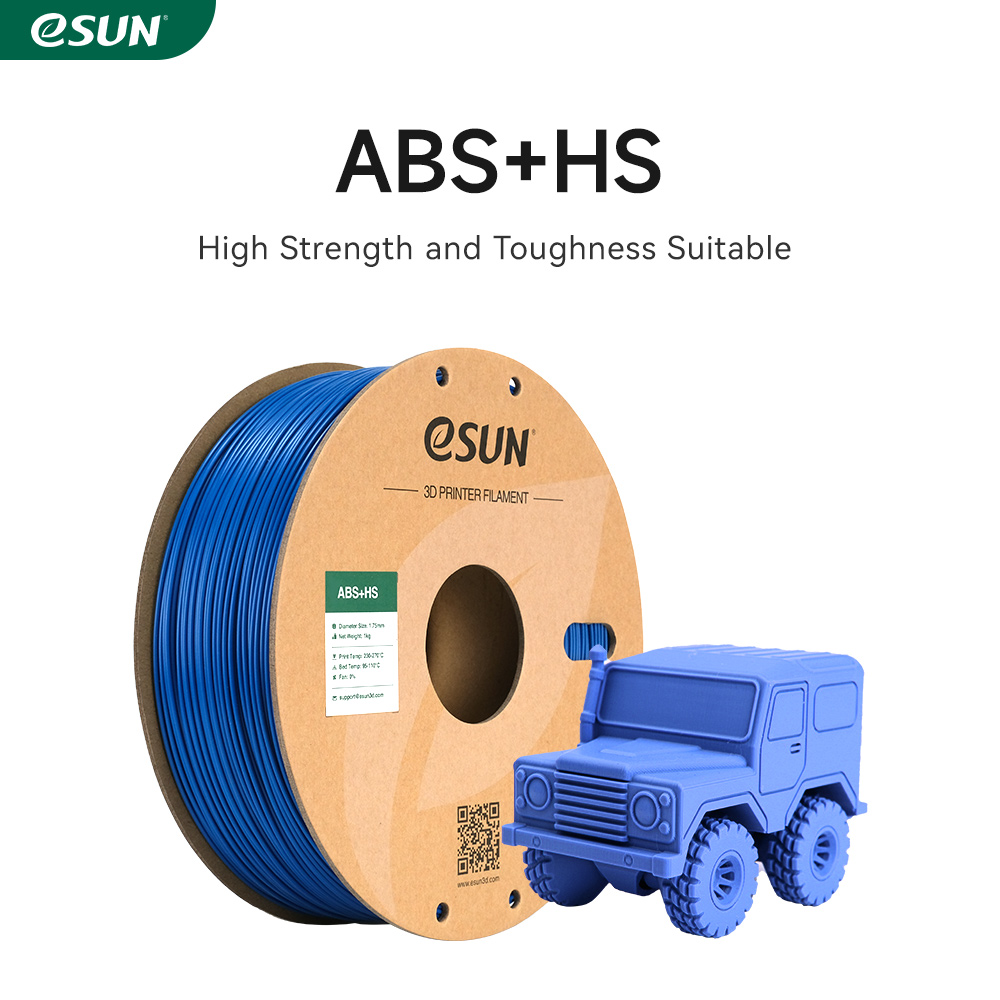 ABS+HS
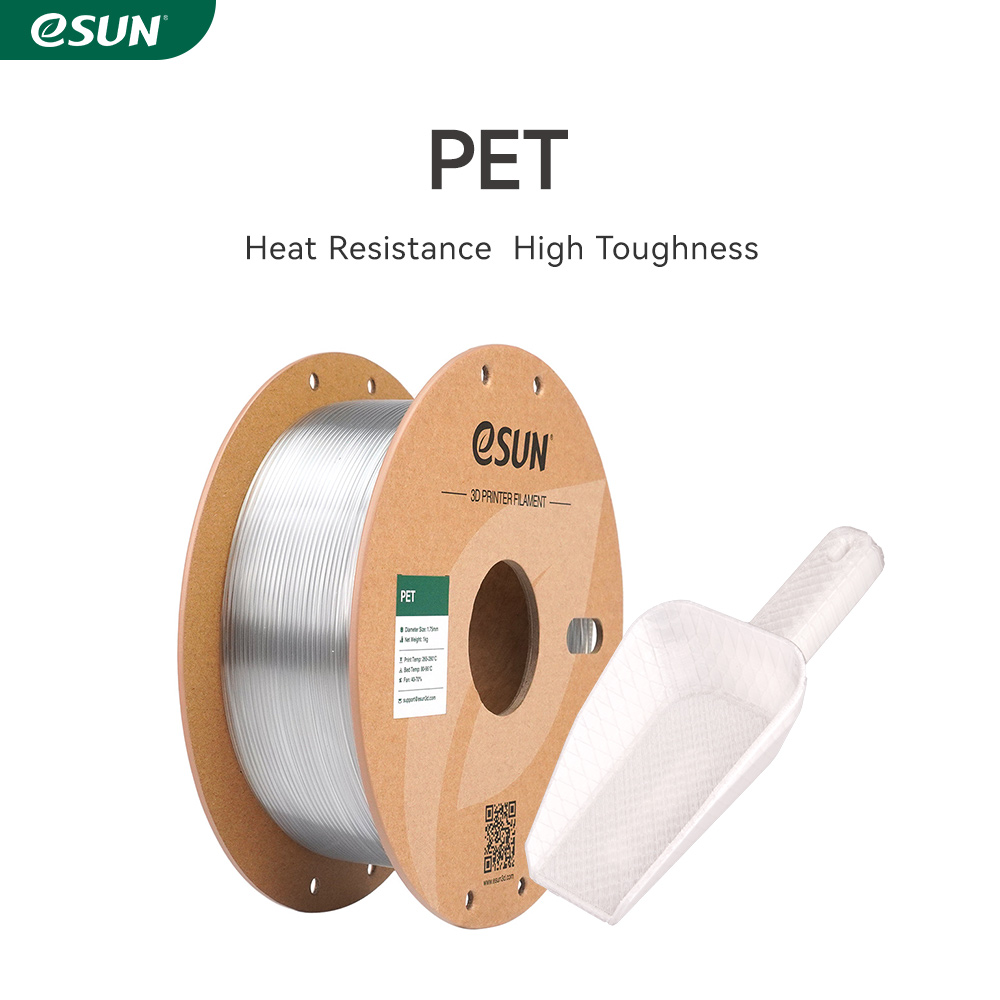 PET
PET PLA+ CMYK
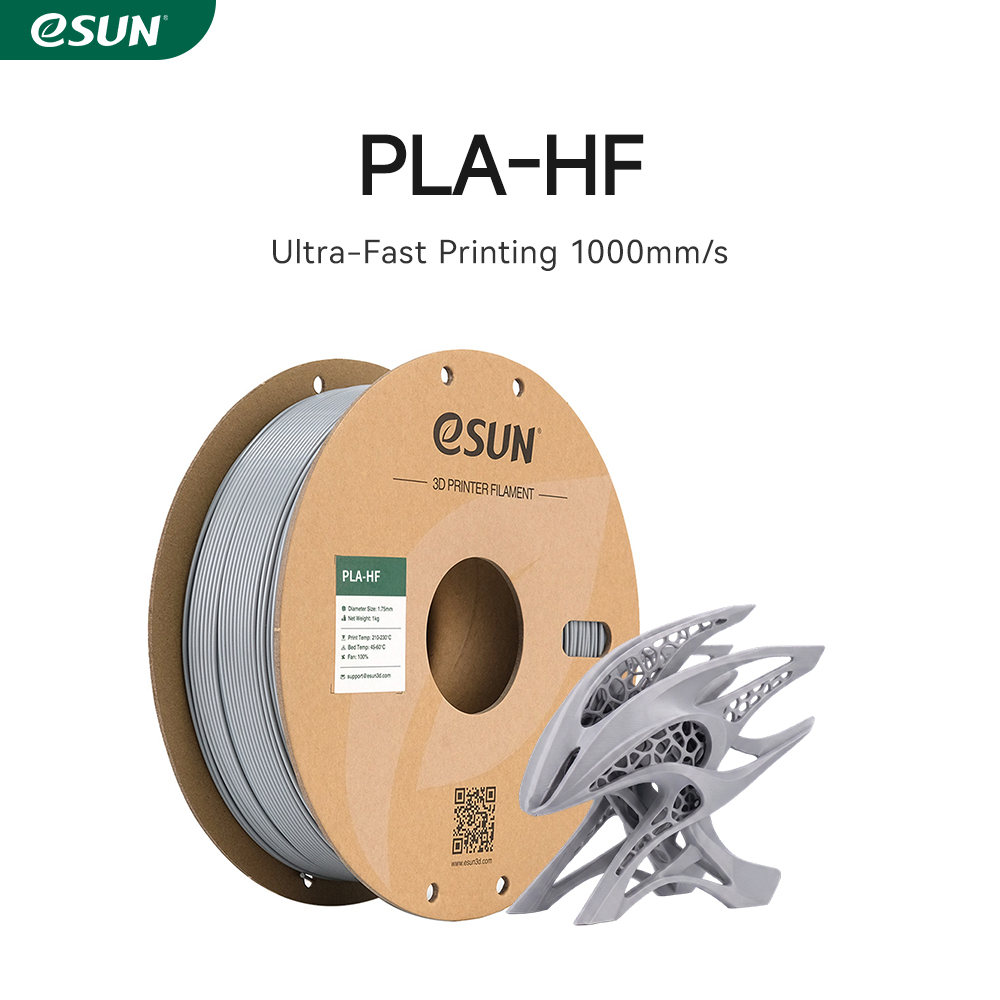 PLA-HF
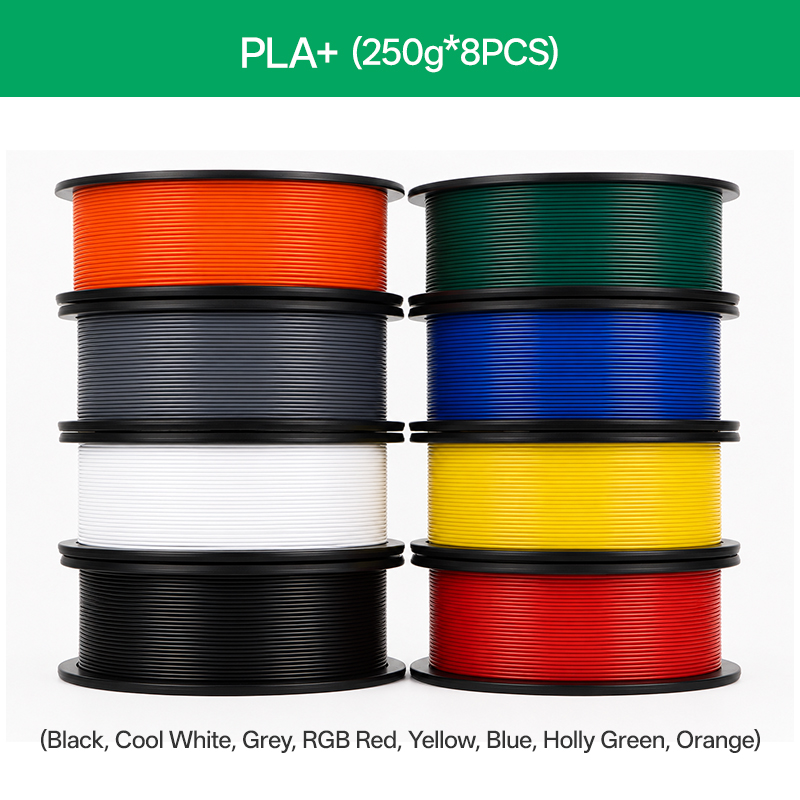 250g Filament Bundle
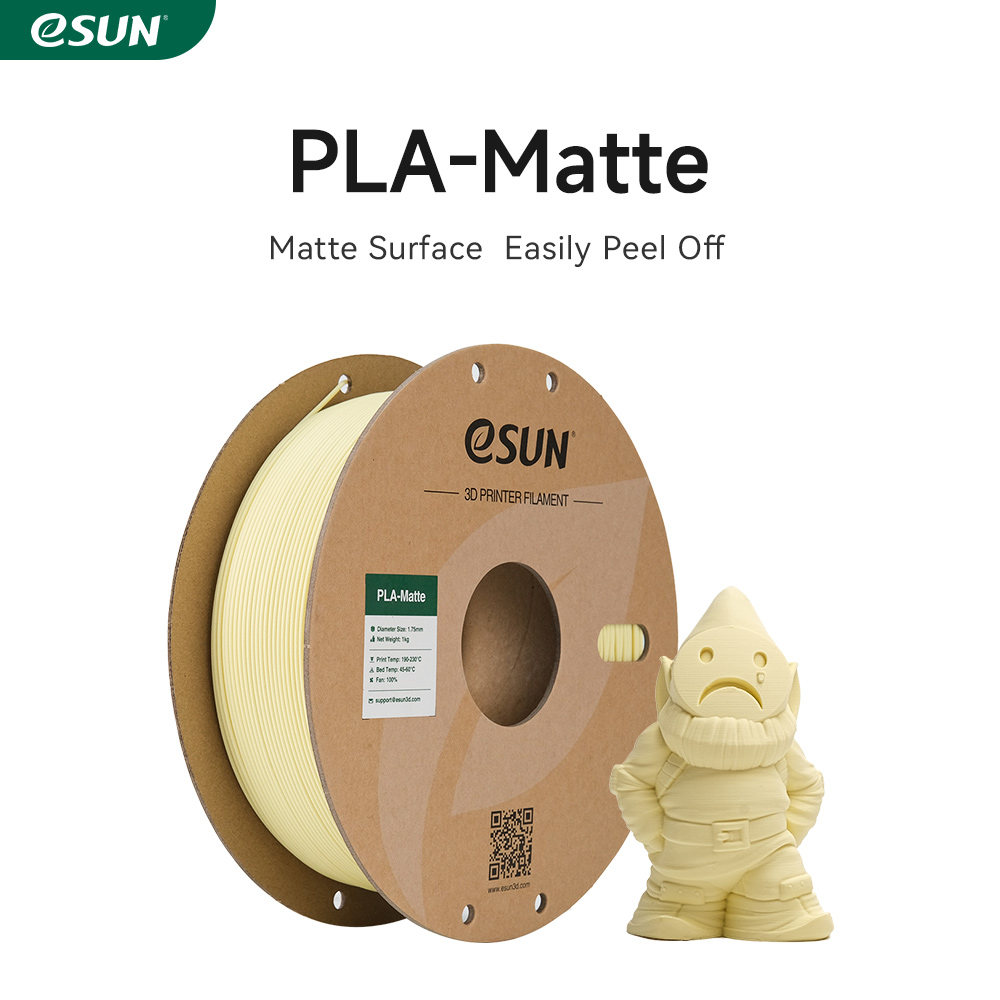 PLA-Matte
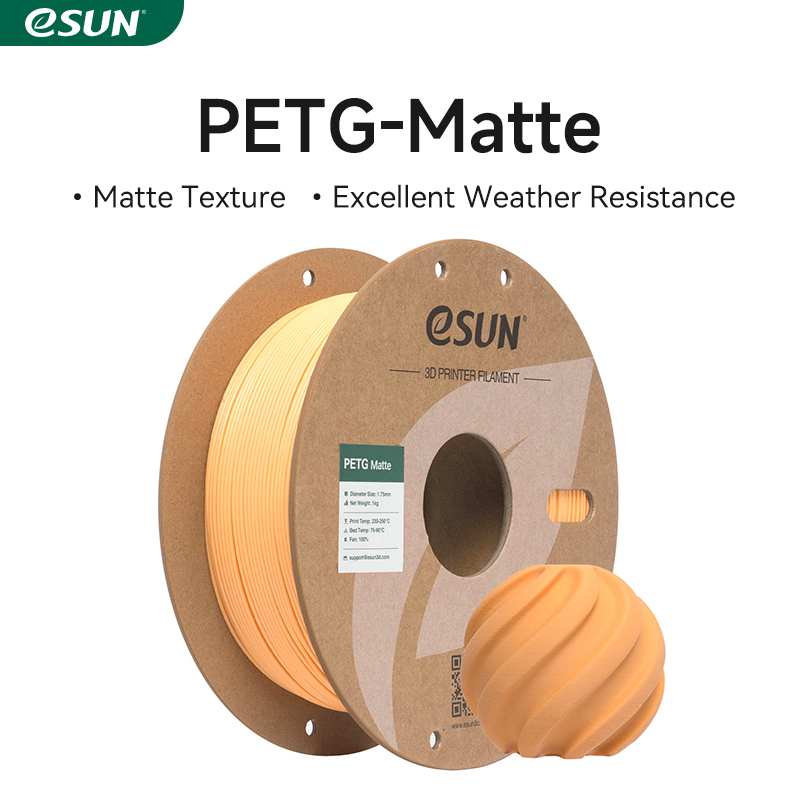 PETG-Matte
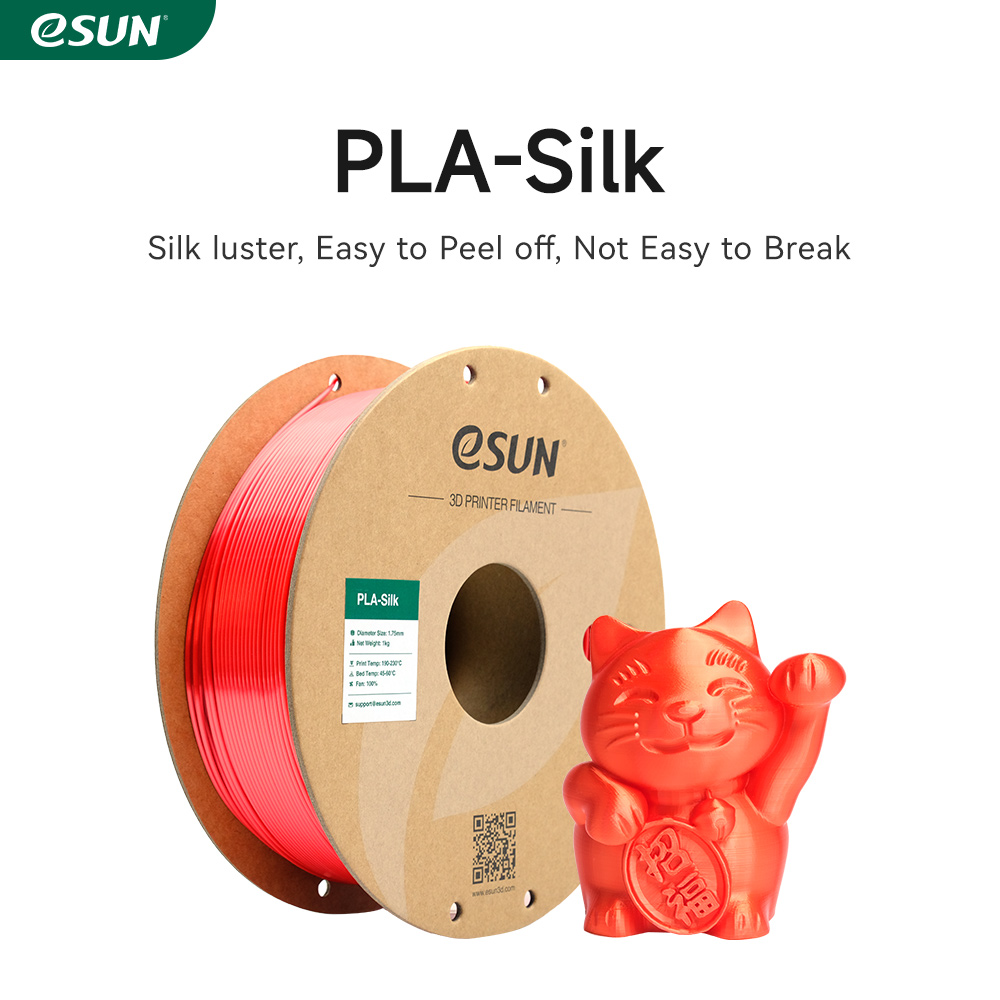 PLA-Silk
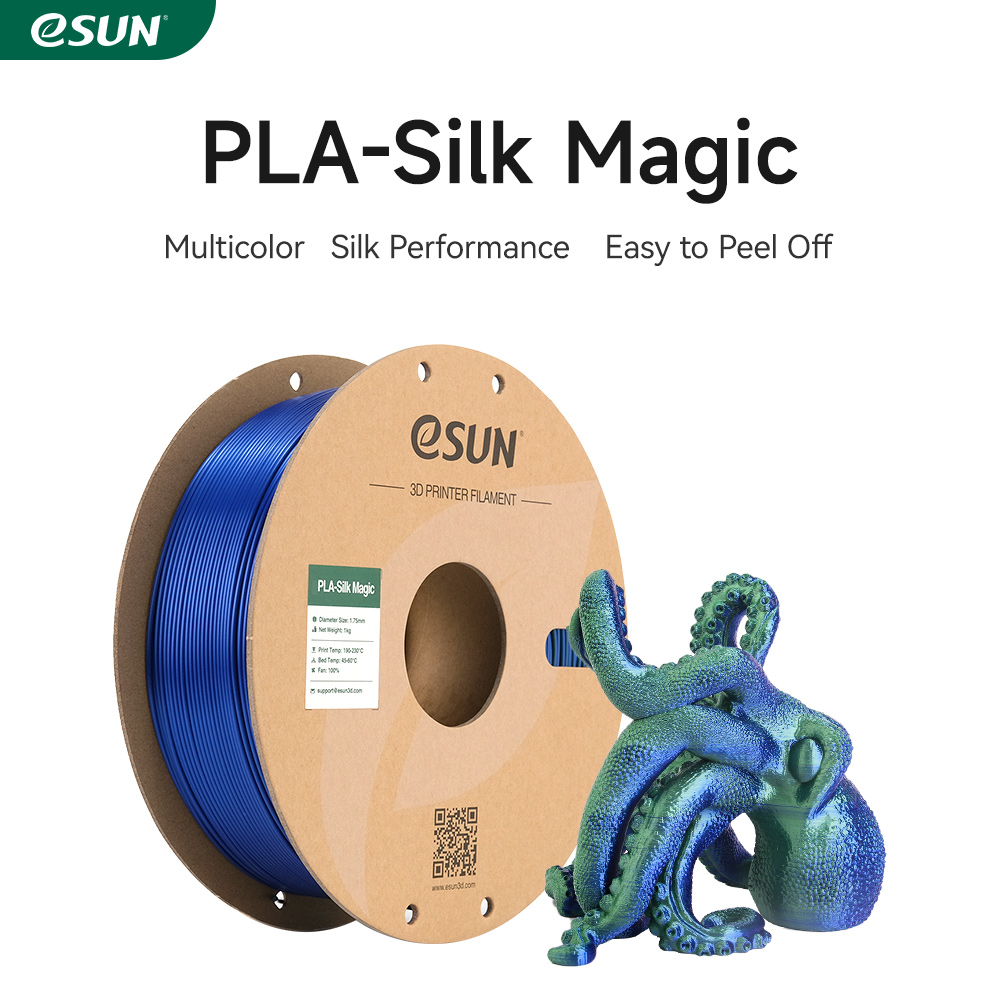 PLA-Silk Magic
 PLA-Wood
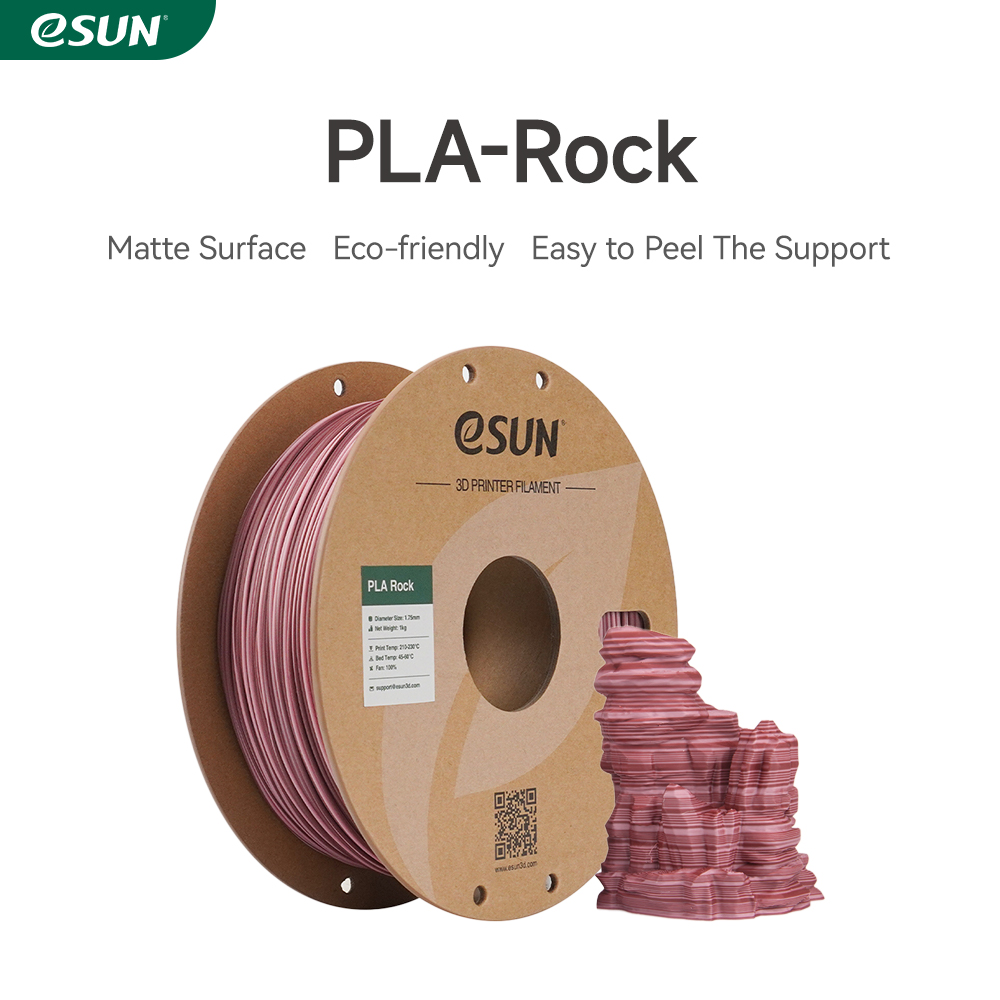 PLA-Rock
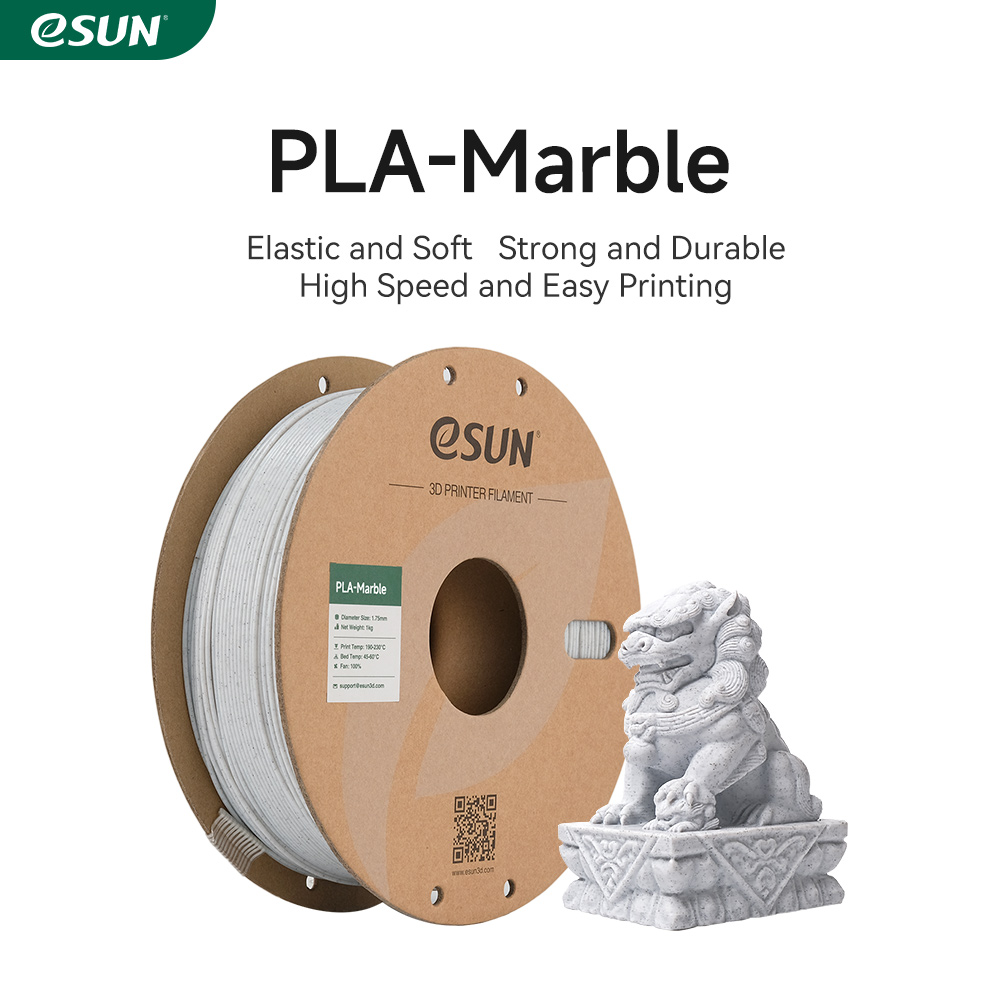 PLA-Marble
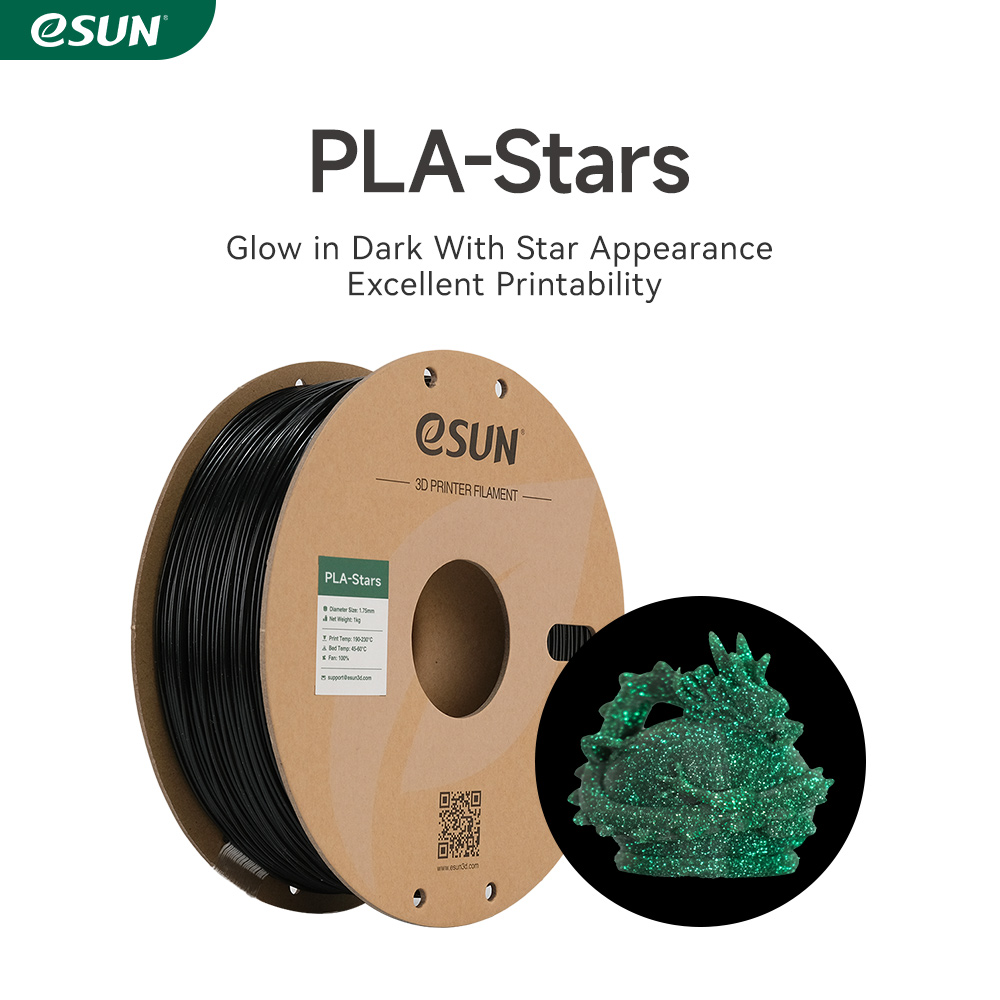 PLA-Stars
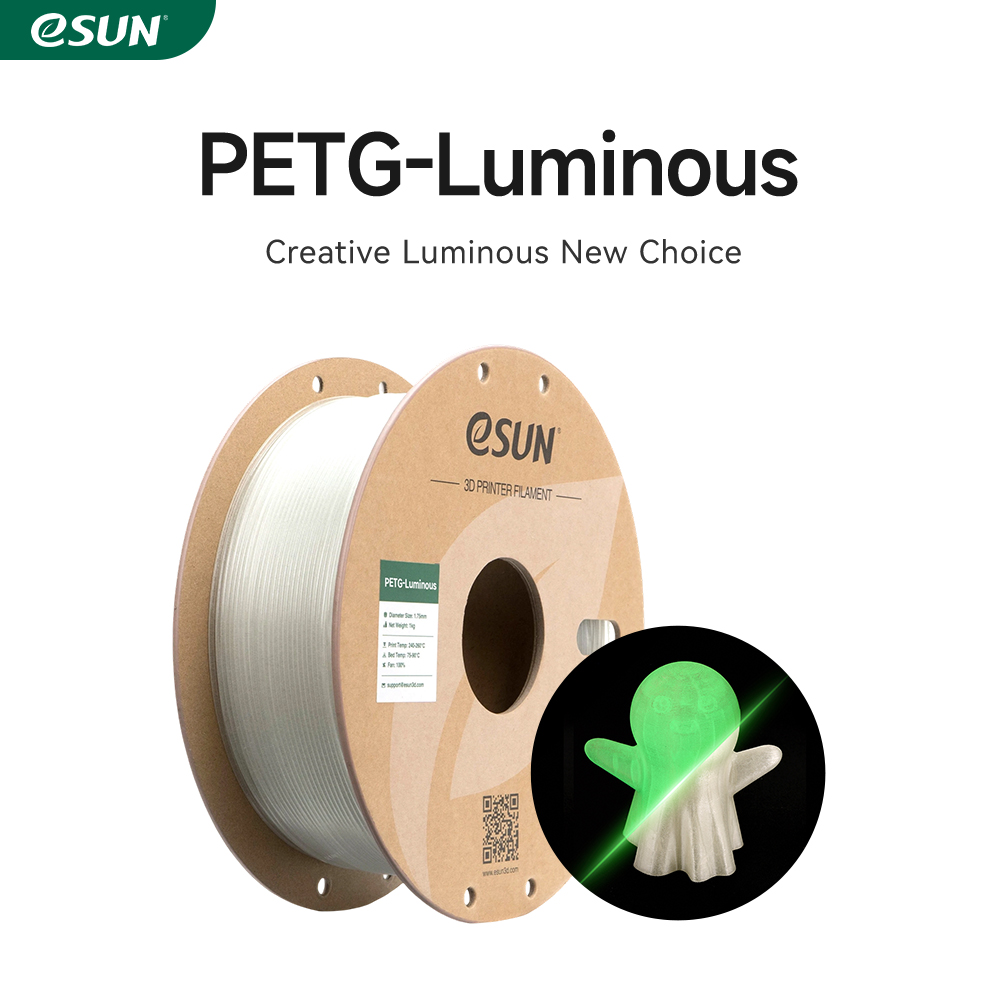 PETG-Luminous
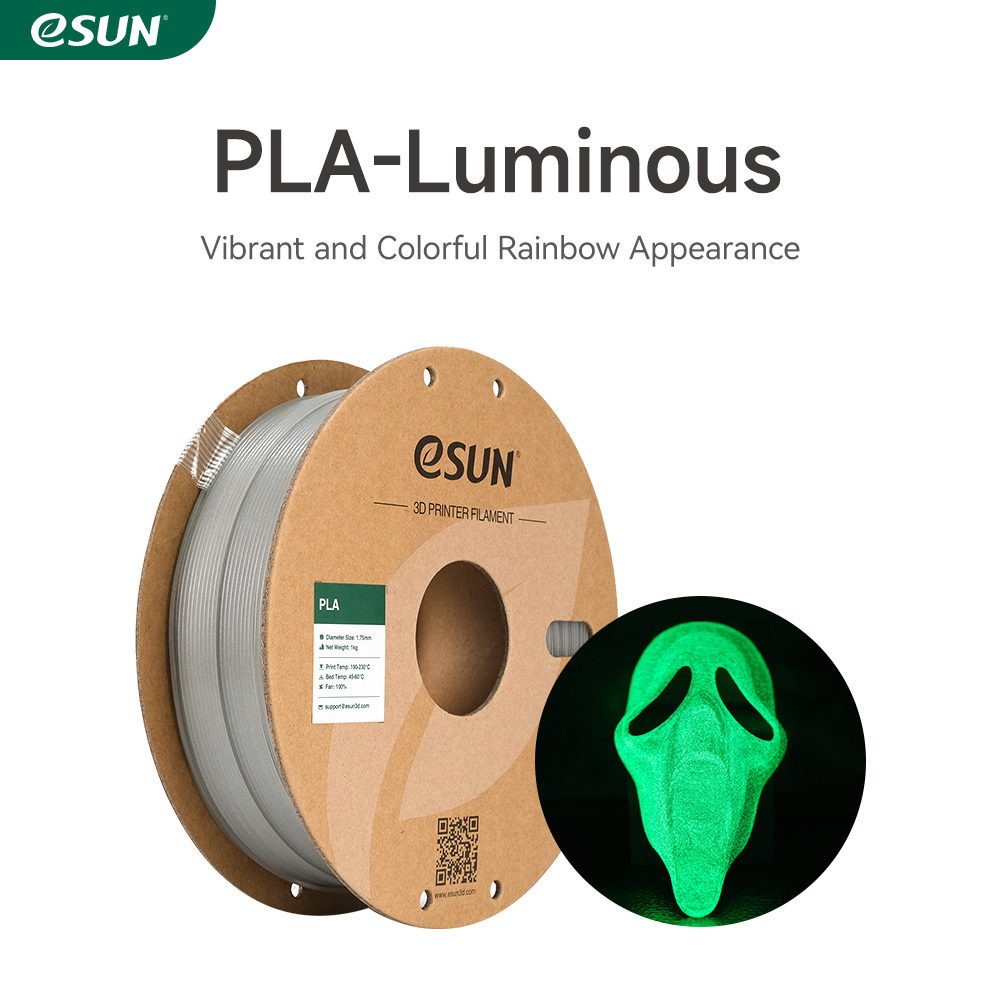 PLA-Luminous
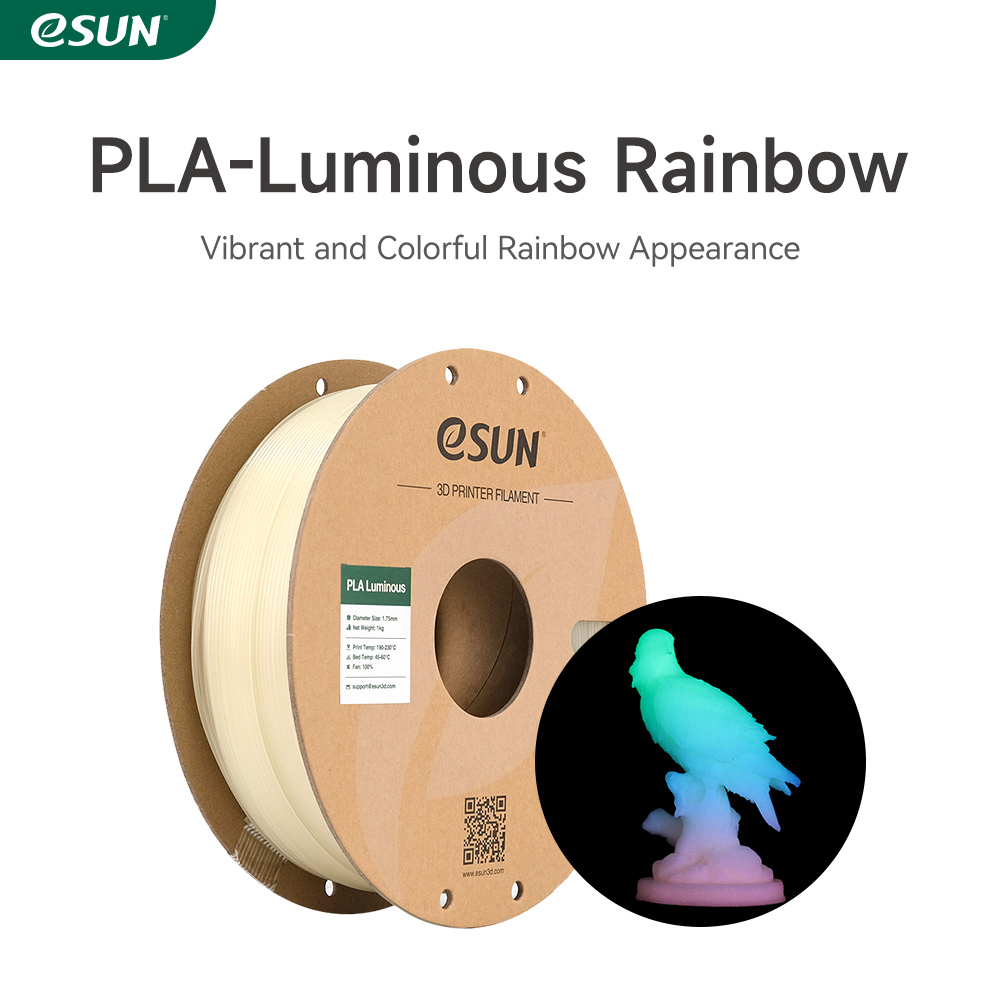 PLA-Luminous Rainbow
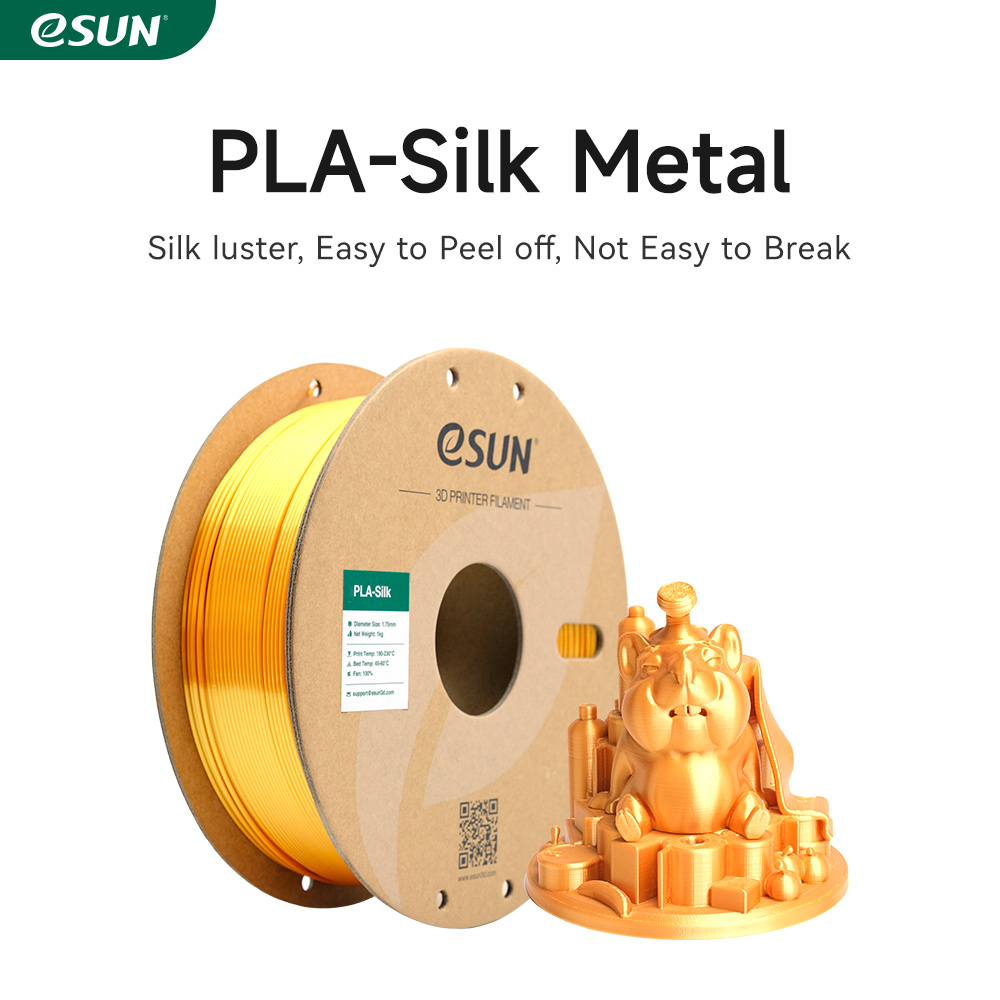 PLA-Silk Metal
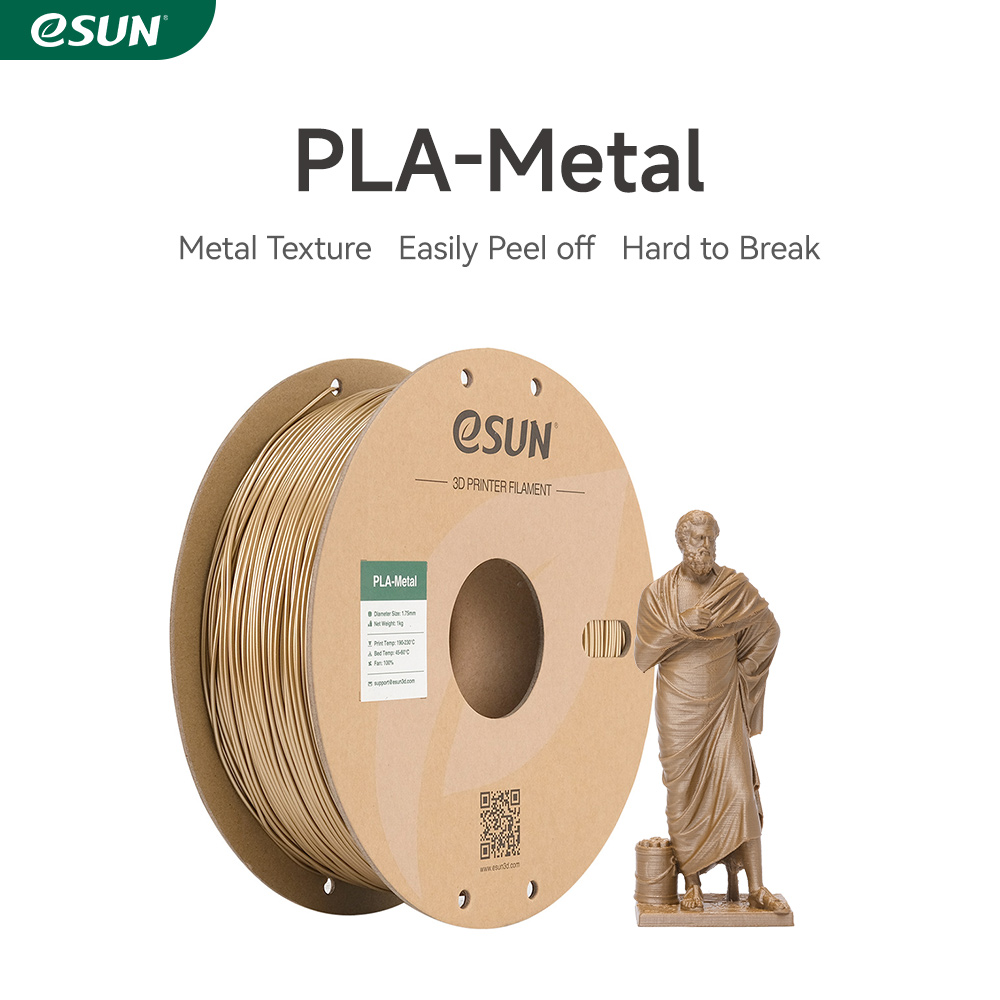 PLA-Metal
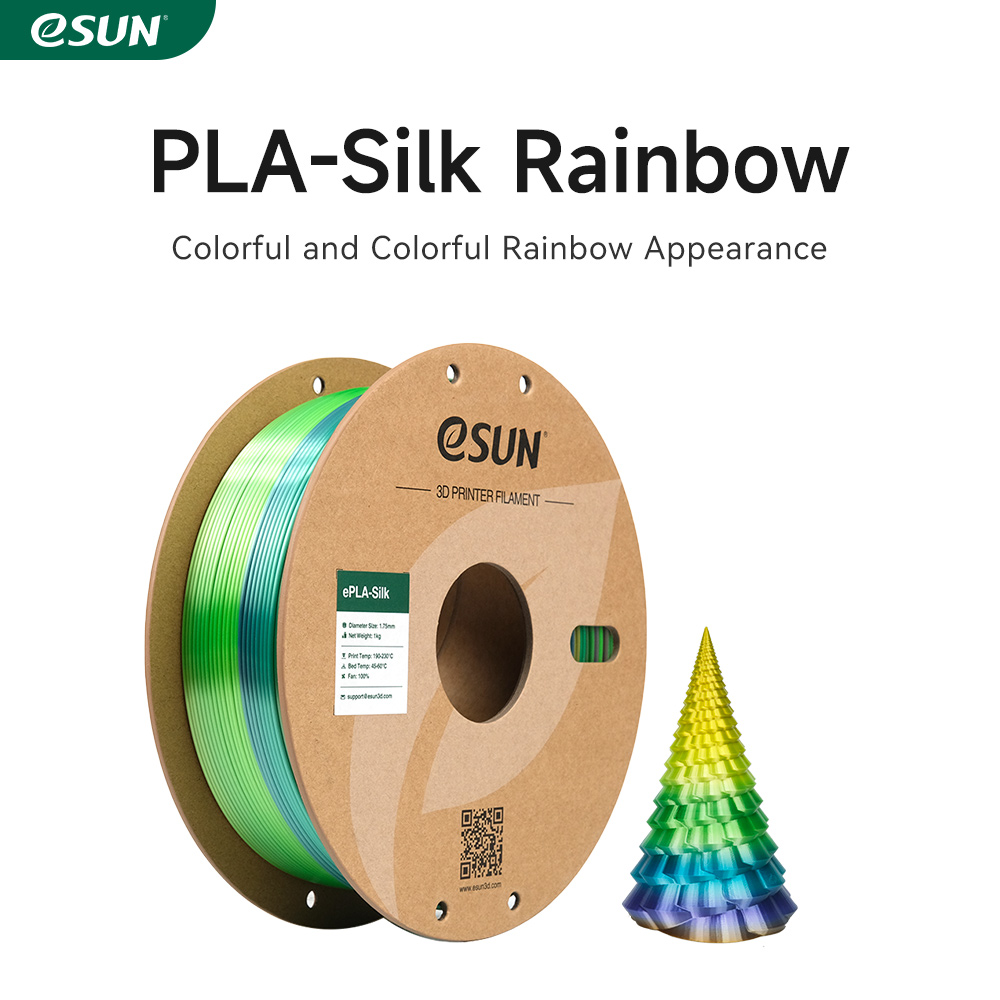 PLA-Silk Rainbow
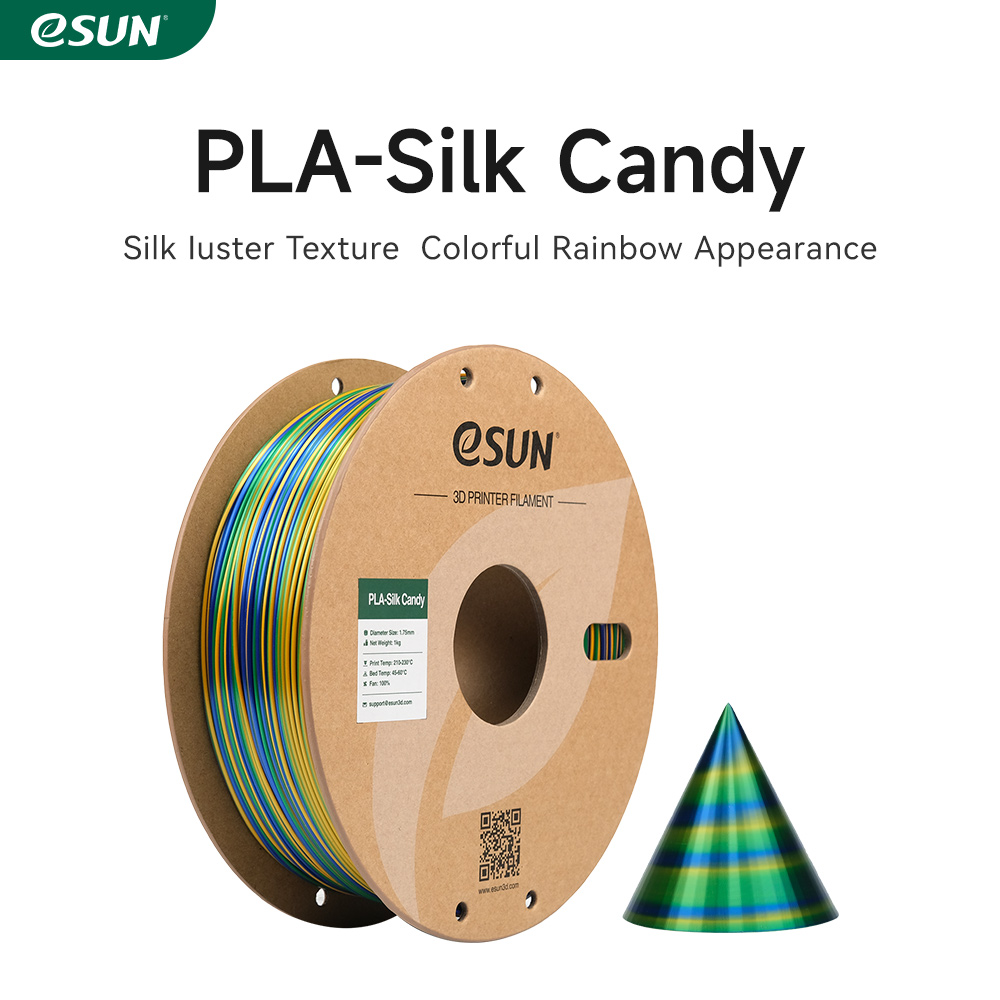 PLA-Silk Candy
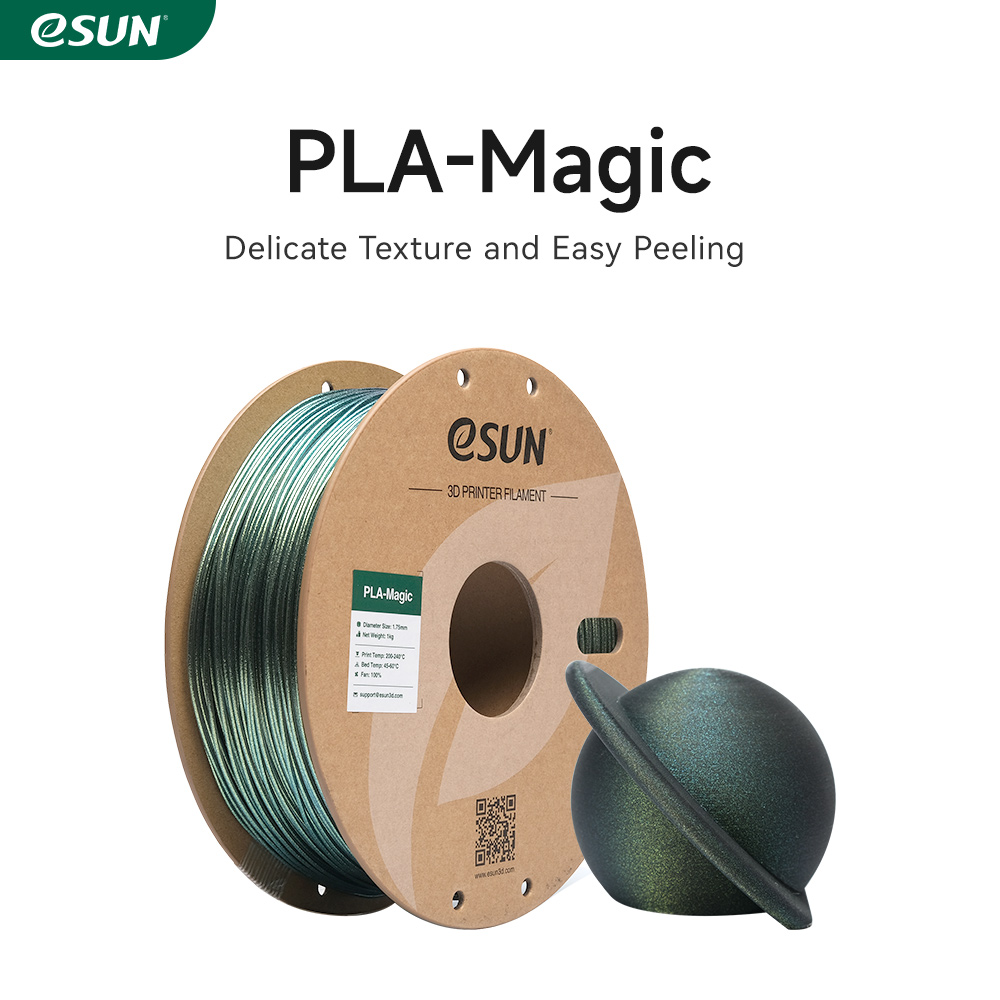 PLA-Magic
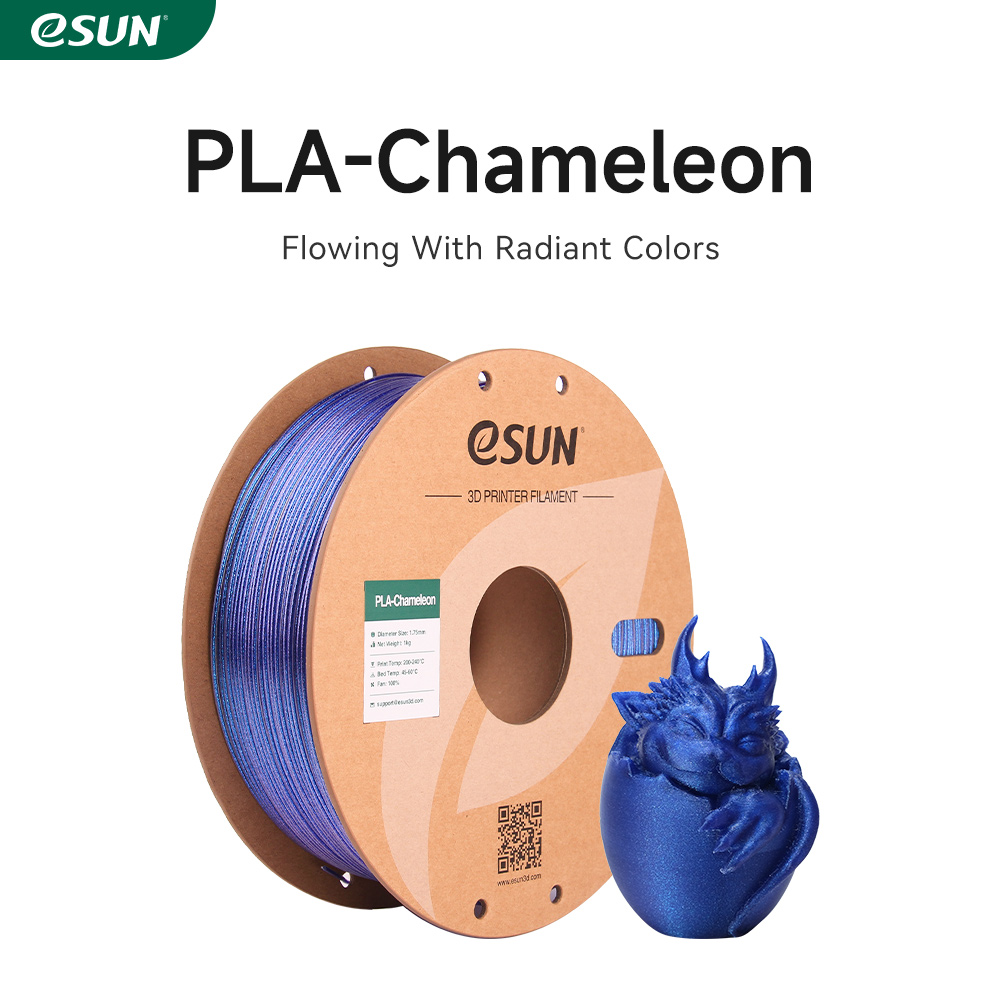 PLA-Chameleon
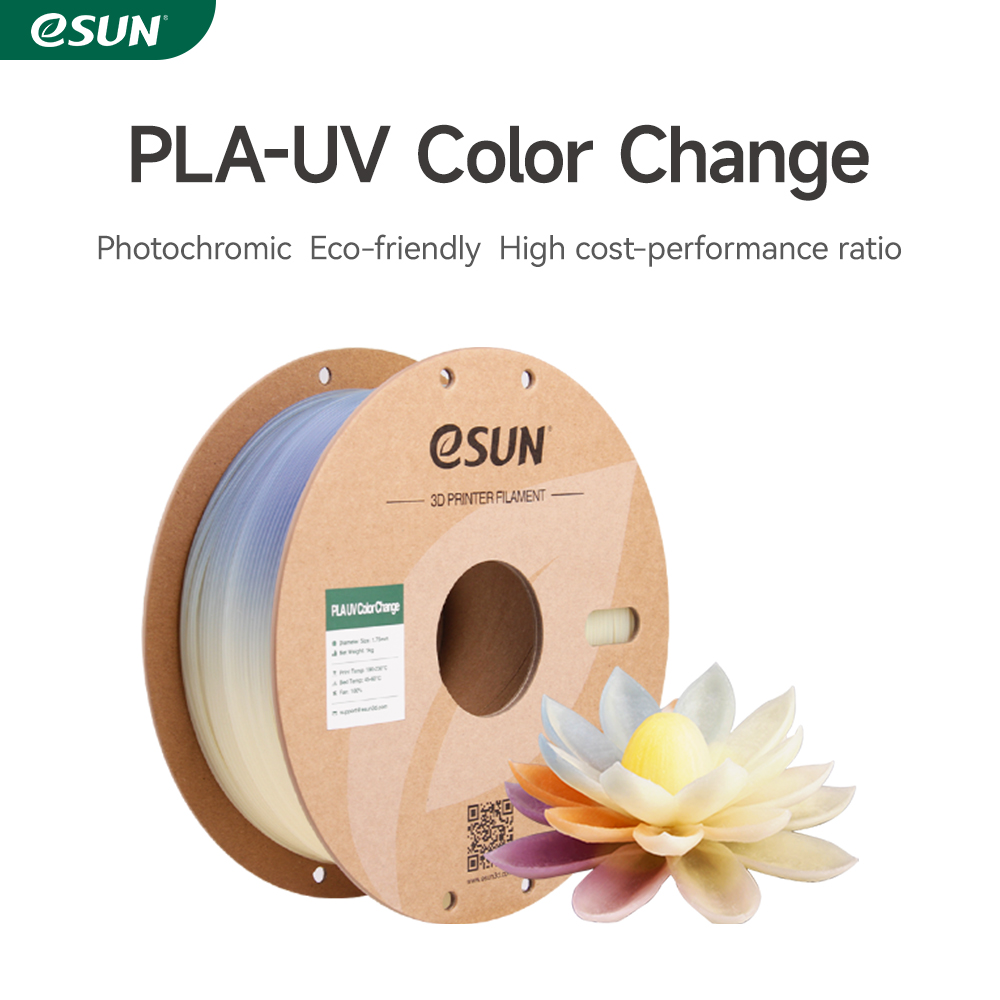 PLA-UV Color Change
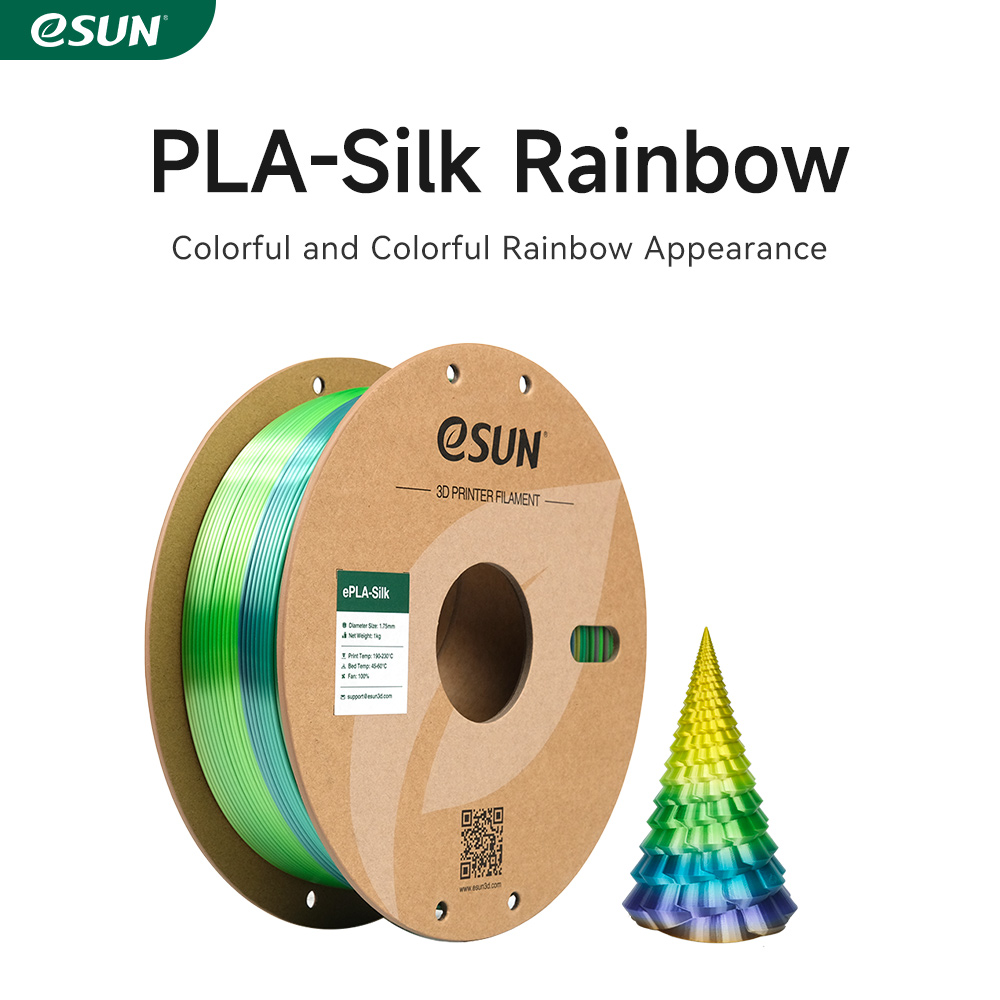 PLA-Silk Rainbow